Online Beauty Trends Mask Heavy Metal Poisoning as Keralam Teenager Suffers Kidney Failure
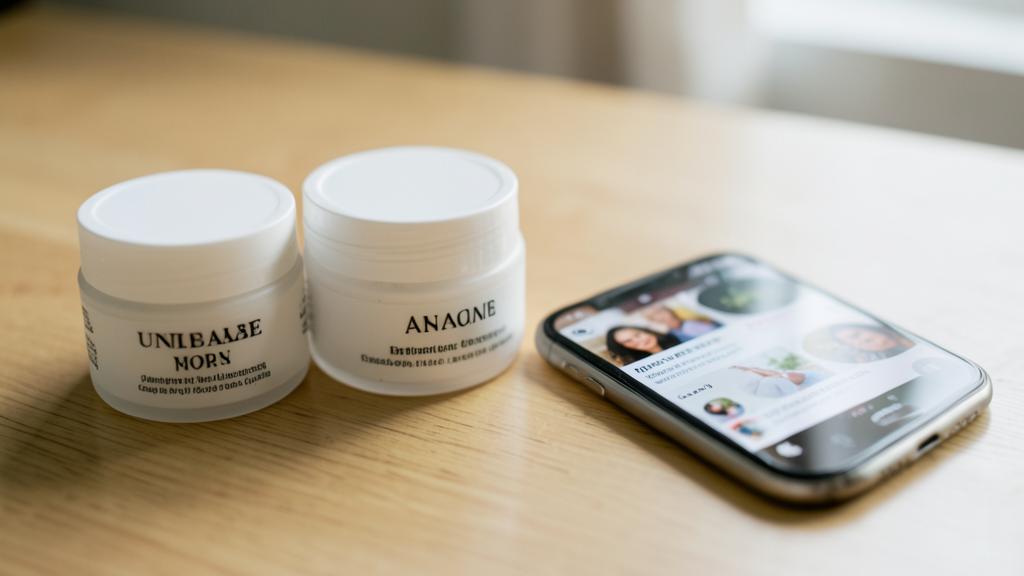
The primary hazard in India’s cosmetic trade has shifted away from brick-and-mortar chemist shops to unregulated direct-to-consumer online platforms, where influencer promotions deliver heavy-metal-tainted creams directly to teenagers.
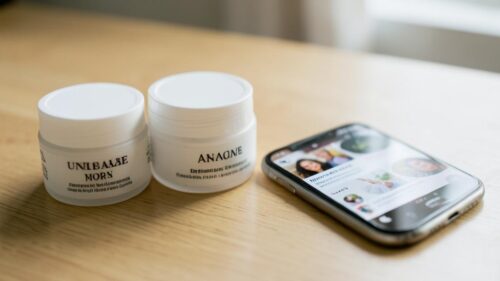
The scale of this public health exposure became apparent after medicos warned against the craze for fairness after a 17-year-old Keralam girl was diagnosed with a severe kidney disorder in Malappuram. Hospital authorities treating the teenager held a press conference on Friday to detail her condition, confirming she developed membranous nephropathy after applying a fairness product bought online. Lab testing on the cosmetic cream revealed it contained 1.25% mercury, a toxic heavy metal that penetrates skin barriers and damages internal organ systems.
Topical application of heavy metals and potent pharmaceuticals is emerging as a critical driver of organ damage. M.M. Faizal, former president of the Indian Association of Dermatologists, Venereologists and Leprologists, noted that buyers consistently lack understanding of how chemical formulations enter the bloodstream. Dermatologists report a growing trend of consumers purchasing steroid-based face creams over the counter and ordering unverified fairness formulations online, risking severe renal failure. Faizal called on government bodies to institute strict legal mechanisms to halt the distribution of toxic skin applications.
Influencer Endorsement Bypasses Traditional Market Safeguards
Social media trends have drastically altered how young consumers buy cosmetics, placing minors at direct risk. Liji Coleenz, a makeup artist and salon owner in Kochi with 20 years of experience in the beauty industry, pointed out that teenagers routinely absorb unrealistic beauty standards set by social media influencers. Coleenz noted that young buyers attempt to achieve unattainable complexions, such as Korean skin, rather than accepting their natural tones, leaving them susceptible to aggressive online marketing for unauthorized whitening products.
Recognizing this vulnerability, the Keralam Drugs Control department launched targeted awareness campaigns in schools across the state. The department specifically focused on students in Classes XI and XII, identifying 16-to-18-year-olds as the demographic most heavily targeted by online cosmetic promotions. While drug authorities execute frequent physical inspections in offline marketplaces to seize spurious cosmetics, digital sales channels continue to evade standard monitoring protocols.
Regulatory Blind Spots Leave Online Marketplaces Untracked
State enforcement agencies face severe statutory limitations when attempting to stop the sale of toxic cosmetics over the internet. State Drugs Controller K. Sujith Kumar stated that while field officers regularly intercept and seize cosmetics containing high mercury levels from offline physical stores, there is currently no legal framework or technical mechanism available to track or regulate online marketplaces.
Enforcement officials argue that because complete digital market surveillance is impossible, public education remains the only practical strategy. From the perspective of drug regulatory bodies, equipping high school students to reject dubious online beauty claims is more achievable than attempting to police international e-commerce platforms or algorithmic social media feeds. However, medical professionals counter that placing the burden of safety on teenage buyers ignores the structural impunity enjoyed by unverified manufacturers and digital sellers.
Early Symptom Detection Offers Hope, but Systemic Risk Persists
Nephrologists stress that heavy-metal-induced kidney failure can be contained if patients recognize early warning signs. Jayant Thomas Mathew, former secretary of the Nephrology Association of Kerala, has managed multiple cases of kidney damage linked to skin-lightening products. He explained that patients diagnosed early with membranous nephropathy responded well to clinical intervention because they identified physical symptoms early in the disease progression.
Physicians advise the public to watch for specific clinical signs, including swelling in the face and legs, as well as distinct frothing in the urine. Prompt medical consultation at the onset of these symptoms allows nephrologists to diagnose membranous nephropathy before permanent renal destruction occurs. Still, as medicos warn against the craze for fairness after a 17-year-old Keralam girl was diagnosed with a kidney disorder, health professionals emphasize that early clinical diagnosis is merely a reactive measure against a booming, unregulated online cosmetic trade.
About The Author