Plotted in a US Jail, the Fairford Case Shows Iran’s Real Threat to a UK Base
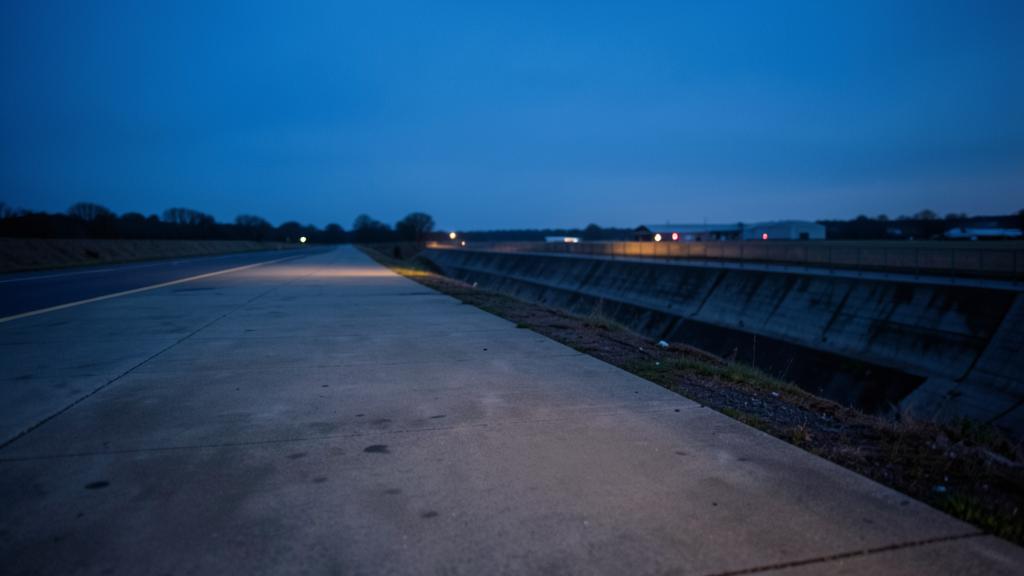
- The DOJ indicted Mohammad Dawood Al-Saadi, Mohsen Mohajeri and Mohammad Ali al-Hassani over nearly 20 alleged attacks and plots, including a foiled September 2026 attack at RAF Fairford.
- Saadi, a dual Iranian and Iraqi national, allegedly used coded messages to direct the Fairford plot while detained in the US on criminal charges.
- General Mohsen Rezaei said Iran would target US bases in Europe if they were used to attack Iran, reportedly naming five facilities in the UK.
- Iran launched a drone attack on a US radar system in Bahrain and claimed to strike two fuel tankers in the Strait of Hormuz; Marco Rubio condemned the attacks in a call with Bahrain's foreign minister.
- British Prime Minister Andy Burnham warned that Britain would respond to Iranian-sponsored attacks on journalists, Jewish communities and military airbases.
The real danger behind the alleged Iran attack plot on a US base in the UK is not missile range; it is a detained alleged commander who prosecutors say kept directing the operation. The US Justice Department has indicted three Iranian-backed operatives over nearly 20 alleged terrorist attacks and attempted plots across the US and Europe. One was a foiled September 2026 attack at RAF Fairford, the British base that has hosted US military aircraft for operations against Iran.
The three named in the indictment are Mohammad Dawood Al-Saadi, Mohsen Mohajeri and Mohammad Ali al-Hassani. According to the Guardian, Saadi is a dual Iranian and Iraqi national. Prosecutors claim that he used coded messages to direct accomplices while already detained in the US on criminal charges. Reuters, reporting from New York on Nov. 10, described him as a member of an Iran-backed militia who plotted against Fairford while in custody. The New York Times frames the wider problem as Iranian agents attacking European targets, with London explicitly among the chosen objectives.
A jailed commander is still a commander
Those details matter because the alleged command structure did not depend on physical freedom. Saadi was allegedly inside a US prison, yet prosecutors say he used coded messages to coordinate accomplices for an attack on Britain’s RAF Fairford. The DOJ count of nearly 20 alleged attacks and plots across the US and Europe turns Fairford from an isolated incident into part of one transnational operational pattern. That is the argument for treating the Fairford case as a network failure, not simply a problem for one local force.
Bahrain moves the threat from words to hardware
Iran’s Supreme National Security Council secretary, General Mohsen Rezaei, said a US attack on Iran would be met by strikes on American military facilities, particularly in Europe. The Mirror reports that he named five bases in the UK. The National says Tehran has also boasted that a US airbase in Britain is within missile range.
Within that rhetorical campaign, the Gulf attack was immediate and physical. The BBC said Iran launched a drone attack against a US radar system in Bahrain and, on Tuesday, claimed to strike two fuel tankers in the Strait of Hormuz. The Financial Times reported the same Bahrain drone strike. During a phone call with Bahraini Foreign Minister Abdullatif Al Zayani, US Secretary of State Marco Rubio condemned Iran’s attacks, according to the State Department. Iran and Oman were separately discussing maritime security as attacks in the strait rose. The pattern gives Britain more than a hypothetical target list: it shows Iran willing to act around the same period it threatened European bases.
London’s red line now covers more than a raid
Iran International reported that British Prime Minister Andy Burnham warned on Monday that Britain would respond to Iranian-sponsored attacks on journalists, Jewish communities and military airbases. The list matters because it refuses to separate anti-Israel or anti-press activity from threats to bases such as Fairford. By putting RAF-type installations on the same public red line, Burnham creates political pressure for a response that cannot be dismissed as routine airfield security.
The counter-case rests on ‘alleged’ and conditional threats
A fair hearing for the other side starts with the word ‘foiled.’ No attack occurred at Fairford. An indictment is an accusation, not a conviction, and the sources describe Saadi, Mohajeri and al-Hassani as Iranian-backed operatives rather than proving that Tehran itself ordered the UK plot. Rezaei’s warning is also conditional: he said Iran would strike US bases in Europe if they were used to carry out bombing raids against Iran.
Those limits matter alongside Burnham’s warning. Britain has threatened a response, but no Iranian attack on journalists or bases has yet been reported under that threat. The evidence instead supports a narrower conclusion: a sophisticated network allegedly tried to use Fairford, Iran issued conditional strike warnings around the same time, and separately attacked Bahrain. The next test for British and American prosecutors is whether Saadi and his co-accused can be formally tied to Tehran’s state command rather than only to an Iran-backed militia.
Sources
- UK PM warns Iran against attacks on journalists and military bases — Iran International
- An Iran-backed trio is accused of plotting attacks on a U.K. base hosting U.S. jets — NPR
- Iran targets US military base in Bahrain with drone attack — BBC
- ‘Get Focused on London’: How Iran’s Agents Attacked European Targets — The New York Times
- Iran boasts US airbase in Britain is within missile range — The National
About The Author