
Understanding PMKISAN: A Cornerstone of Farmer Support
The agricultural sector forms the backbone of India’s economy, yet farmers often face immense financial volatility due to unpredictable weather patterns and fluctuating market prices. To provide a stable financial cushion and support rural livelihoods, the Indian government launched the PMKISAN scheme. PMKISAN, which stands for Pradhan Mantri Kisan Samman Nidhi, is a crucial initiative designed to provide direct income support to eligible farmer households across the country. This article serves as your comprehensive guide to understanding how the scheme works, who qualifies, and how it can revitalize agricultural stability in India.
What is the Core Objective of PMKISAN?
At its heart, the objective of PMKISAN is simple yet profound: to ensure that every farmer receives timely and direct financial assistance, thereby helping them cover essential expenses related to cultivation. By providing a steady income flow, the scheme aims to reduce the debt burden on farming families, enabling them to invest proactively in better seeds, fertilizers, and modern farming techniques. It is conceived not merely as a handout, but as an enabling mechanism for agricultural self-reliance.
How Does PMKISAN Function and Who Benefits?
The structure of the scheme is remarkably streamlined, utilizing Direct Benefit Transfer (DBT) technology. This ensures that the allocated funds reach the intended beneficiary’s bank account directly, minimizing leakage and ensuring maximum transparency. The financial assistance is disbursed in installments, providing support throughout the agricultural cycle.
Eligibility Criteria: Making Sure the Support Reaches the Right Hands
While the exact rules and scope can be updated by the Ministry of Agriculture, the scheme generally targets farmer families who own land and are cultivating it. Eligibility often depends on registration within specific state portals linked to the central database. It is crucial for farmers to ensure their land records and bank account details are accurately linked to the scheme’s official records to avoid any delays in receiving the benefit.
Key components of eligibility usually include:
- Possession of agricultural land.
- A registered bank account in the beneficiary’s name.
- Active linkage with the state’s agricultural database.
Knowing these foundational requirements is the first step toward claiming your benefits effectively.
The Financial Mechanism: Understanding the Benefit Amount
The financial aid provided under PMKISAN is disbursed in three equal installments throughout the year. This staggered disbursement strategy is intentionally designed to align with the seasonal agricultural needs of the farmers. Instead of a single lump sum, which might be spent on immediate needs, the staggered payments help maintain consistent cash flow, allowing farmers to budget effectively for ongoing cultivation expenses.
What Should Farmers Use the Funds For?
The funds are meant to be utilized for enhancing the productivity and sustainability of the farm. This can include:
- Seed Procurement: Buying high-quality, hybrid seeds suited to local soil conditions.
- Nutrient Management: Purchasing necessary fertilizers and micronutrients.
- Labour Costs: Covering labor expenses during sowing or harvesting periods.
- Equipment Maintenance: Undertaking minor repairs or purchases for essential farm equipment.
Essentially, the money acts as working capital, bridging the gap between the cost of production and the market realization of the crop.
Transforming Rural Livelihoods: Beyond the Direct Transfer
The true impact of PMKISAN extends far beyond the monetary value transferred annually. It contributes to a greater sense of financial security and stability within rural communities. When farmers are less worried about the immediate cash crunch, they are more inclined to take calculated risks—like adopting climate-resilient crops or investing in water conservation techniques—which are vital for long-term sustainability.
Furthermore, this financial safety net encourages participation in various state-level insurance schemes and micro-credit initiatives, creating a virtuous cycle of growth within the agrarian economy. It empowers farmers to move from subsistence farming to more profitable, market-oriented agriculture.
A Practical Guide: How to Enroll or Verify PMKISAN Status
While the administration of the scheme is managed at the state level, the process of checking eligibility and enrolling is relatively straightforward if one follows the official guidelines. For the most current and accurate procedure, always refer to the official websites of the Ministry of Agriculture or your respective State Agriculture Department portal.
Step-by-Step Enrollment Checklist
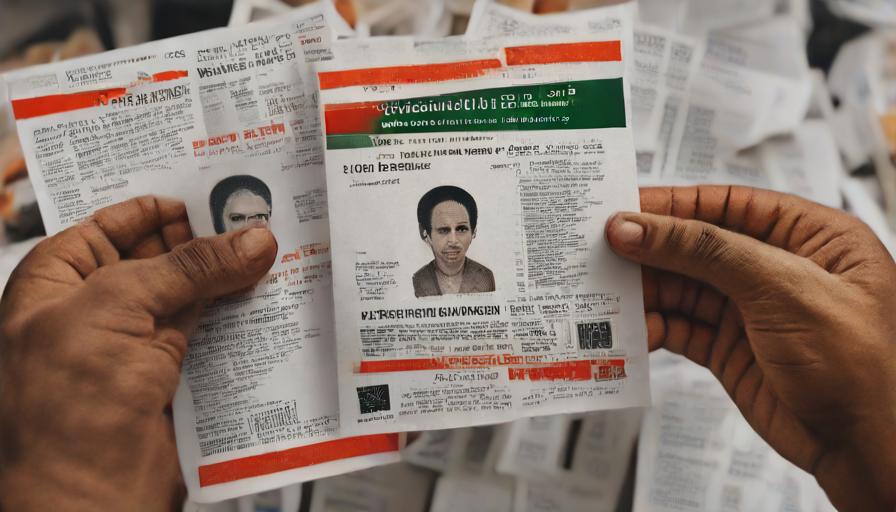
- Gather Documents: Keep ready Aadhaar Card, Bank Passbook (with IFSC code), Land Ownership Records (Khatauni), and a farmer identity document.
- Visit the Portal: Access the designated PMKISAN portal or its state-specific counterpart.
- Submit Details: Enter the required details accurately, cross-referencing all documents.
- Verification: The state authorities will verify the land records and beneficiary status.
- Account Linking: Ensure the provided bank account number matches the Aadhaar details for seamless DBT.
Crucial Tip: Due to administrative processes, proactive follow-up with local agriculture officers can resolve potential glitches in the application process.
Conclusion: Sustaining India’s Agricultural Future
The PMKISAN scheme represents a vital commitment by the government to the farming communities of India. By providing regular, predictable financial assistance directly to the hands of the cultivators, it strengthens the farmer’s bargaining power, improves resource utilization, and bolsters the overall resilience of the Indian food supply chain. Staying informed about the eligibility criteria and ensuring your documentation is up-to-date remains the key takeaway for all concerned farmers.