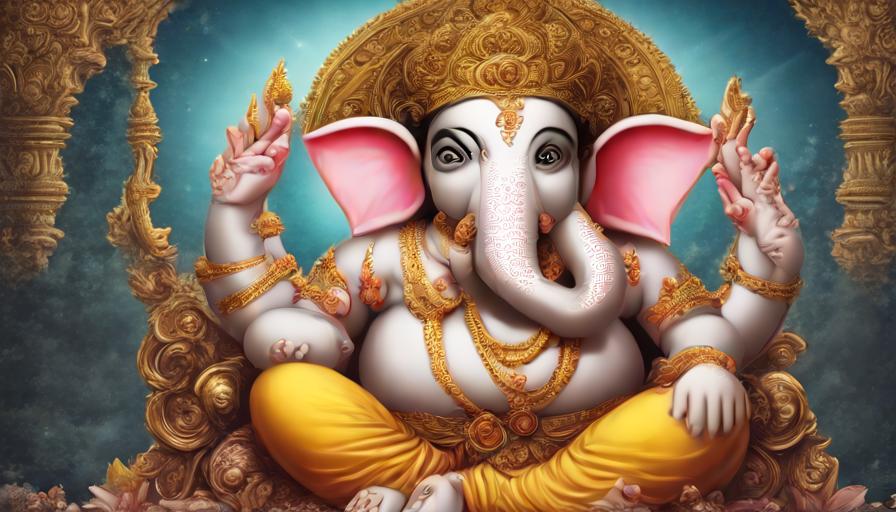
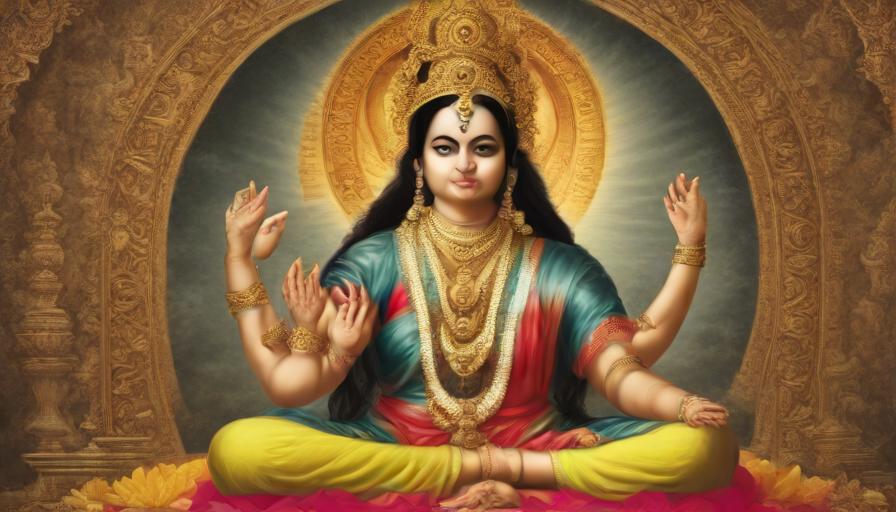
- Radhika, also known as Radha, is revered in Hinduism as the supreme deity of devotion and the eternal pleasure potency (hladini shakti) of Lord Krishna.
- The name Radhika derives from the Sanskrit root 'Rādh', meaning to satisfy, worship, or succeed, translating to 'the supreme worshipper'.
- Major literary works featuring Radhika include Jayadeva's 12th-century 'Gita Govinda' and the 'Brahma Vaivarta Purana'.
- Radhashtami is the primary annual festival celebrating Radhika's birth, occurring 15 days after Krishna Janmashtami in the Hindu month of Bhadrapada.
Radhika, also known as Radha or Radharani, is a central deity in Hinduism primarily worshipped as the chief consort and divine counterpart of Lord Krishna. In Vaishnavite theology, particularly within the Gaudiya Vaishnavism tradition, Radhika is revered as the personification of hladini shakti (the divine bliss potency of God) and the supreme symbol of unyielding love and devotion (bhakti). Her spiritual bond with Krishna represents the eternal longing of the individual soul (atman) for ultimate union with the Supreme Divinity (Paramatman).
What is the Origin and Meaning of the Name Radhika?
The name Radhika originates from the Sanskrit root Rādh, which translates to “to accomplish,” “to satisfy,” “to succeed,” or “to worship.” Radhika is an affectionate, diminutive form of Radha, carrying the literal meaning of “one who is exceptionally prosperous,” “successful,” or “the foremost worshipper of the Divine.”
In Puranic literature, Radhika is portrayed not merely as a human devotee or a simple cowherd maiden (gopi), but as the supreme eternal female power. According to the Brahma Vaivarta Purana, the divine reality consists of two indivisible aspects: Krishna as the male origin and Radhika as the female manifestation. The text states that Krishna himself splits into two forms to experience the bliss of divine love, making Radhika inseparable from Krishna’s ultimate essence.
What is Radhika’s Role in Vaishnavite Philosophy?
Within Vaishnavism—one of the major branches of Hinduism focused on the worship of Vishnu and his avatars—Radhika occupies an exalted role above all other spiritual figures. Her theological influence expanded significantly during the Bhakti movement between the 12th and 16th centuries across Northern and Eastern India.
The Concept of Hladini Shakti
In the Achintya Bheda Abheda philosophy popularized by Saint Chaitanya Mahaprabhu (1486–1534 CE), God possesses three distinct internal energies: sat (existence), chit (consciousness), and ananda (bliss). Radhika is recognized as the personification of hladini shakti, the supreme pleasure potency that fills the spiritual world with joy and enables devotees to experience divine love.
Pure Devotion (Madhurya Bhakti)
Radhika embodies madhurya rasa—the highest form of divine love characterized by intimate sweetness, complete selflessness, and spiritual surrender. Unlike earthly desires (kama), Radhika’s affection for Krishna (prema) is completely devoid of ego or personal gain. Devotional scriptures frame her relationship with Krishna as a spiritual metaphor for the soul breaking free from material illusions to dedicate itself entirely to God.
Which Key Texts Detail the Life and Pastimes of Radhika?
While early epic texts such as the Mahabharata and the Harivamsa do not mention Radhika by name, her character developed extensively in classical Puranas and devotional poetry:
- Gita Govinda (c. 12th Century CE): Authored by the Sanskrit poet Jayadeva, this celebrated work depicts the intense love, temporary separation, and romantic reunion of Radhika and Krishna. It laid the literary foundation for devotional music, dance, and fine arts throughout India.
- Brahma Vaivarta Purana: This text devotes entire chapters to Radhika’s cosmic origin, her leadership over the gopis, and her supreme authority in Goloka, the highest spiritual planet in Vaishnava cosmology.
- Devi Bhagavata Purana: Defines Radhika as one of the five cosmic manifestations of Prakriti (primordial nature), assigning her equal status among divine feminine forms like Lakshmi, Saraswati, Gayatri, and Durga.
- Chaitanya Charitamrita (16th Century CE): Written by Krishnadasa Kaviraja, this seminal text documents the teachings of Chaitanya Mahaprabhu, asserting that Chaitanya was a combined incarnation of Krishna and Radhika appearing in a single persona.
What Festivals and Locations are Associated with Radhika?
Radhika’s veneration is concentrated heavily in the Braj region of Uttar Pradesh, India, encompassing sacred towns such as Vrindavan, Mathura, and Barsana.
- Radhashtami: Celebrated annually on the eighth day (Ashtami) of the bright fortnight in the Hindu month of Bhadrapada (August–September), Radhashtami marks the birth anniversary of Radhika. Occurring exactly 15 days after Krishna Janmashtami, the festival includes 24-hour fasts, elaborate ritual baths (abhisheka), and joyful chanting.
- Lathmar Holi in Barsana: Prior to the main festival of Holi, the village of Barsana—traditionally considered Radhika’s home—hosts Lathmar Holi. Men from Krishna’s village of Nandgaon visit Barsana, where women playfully ward them off with sticks, recreating ancient legends of Radhika and her companions.
- Major Temples: Important pilgrimage sites include the Shri Radha Rani Temple in Barsana, the Radha Raman and Radha Damodar temples in Vrindavan, and international centers such as Radha Madhav Dham in Texas, USA.
Key Attributes and Theological Roles of Radhika
| Attribute | Description and Theological Context |
|---|---|
| Primary Meaning | “Prosperous,” “Successful,” or “Supreme Worshipper” (Sanskrit root Rādh) |
| Spiritual Identity | Hladini Shakti (Bliss Potency) and Eternal Consort of Lord Krishna |
| Primary Region of Origin | Barsana / Vrindavan (Braj Region, Uttar Pradesh, India) |
| Major Textual References | Gita Govinda, Brahma Vaivarta Purana, Padma Purana, Chaitanya Charitamrita |
| Main Annual Festival | Radhashtami (15 days after Krishna Janmashtami) |
| Core Philosophical Concept | Bhakti Rasa (Spiritual devotion and pure divine love) |
How is the Name Radhika Used in Modern Culture?
Beyond her historical and religious prominence, Radhika remains one of the most widely given female names across South Asia and among the global Indian diaspora. Symbolizing elegance, spiritual devotion, and prosperity, the name is shared by notable modern figures such as Indian cinema actress Radhika Apte, media figure Radhika Sarathkumar, and business leader Radhika Merchant.
Frequently Asked Questions
What is the difference between Radha and Radhika?
There is no functional or theological difference between Radha and Radhika. 'Radhika' is an endearing, affectionate diminutive of 'Radha' derived from the Sanskrit root 'Rādh'. Both names refer to the exact same Hindu deity, who is celebrated as the chief consort of Lord Krishna and the divine embodiment of supreme devotion and bliss.
When is Radhashtami celebrated and how is it observed?
Radhashtami is celebrated annually on the eighth day of the bright fortnight in the Hindu lunar month of Bhadrapada (typically August or September), exactly 15 days after Krishna Janmashtami. Devotees observe the day with strict fasting until noon, ritual bathing (abhisheka) of Radhika's idol, devotional singing, and distributing sacred food offerings (prasada).
Is Radhika mentioned in the original Vyasa Mahabharata?
Radhika is not explicitly mentioned by name in the primary narrative of the original Mahabharata or early text layers of the Bhagavata Purana. Her detailed persona and cosmic significance emerged in later Puranic texts, such as the Brahma Vaivarta Purana and Padma Purana, as well as medieval devotional poetry like Jayadeva's 12th-century Gita Govinda.