Real Madrid Games: History, Rivalries, Tactics, and How to Watch
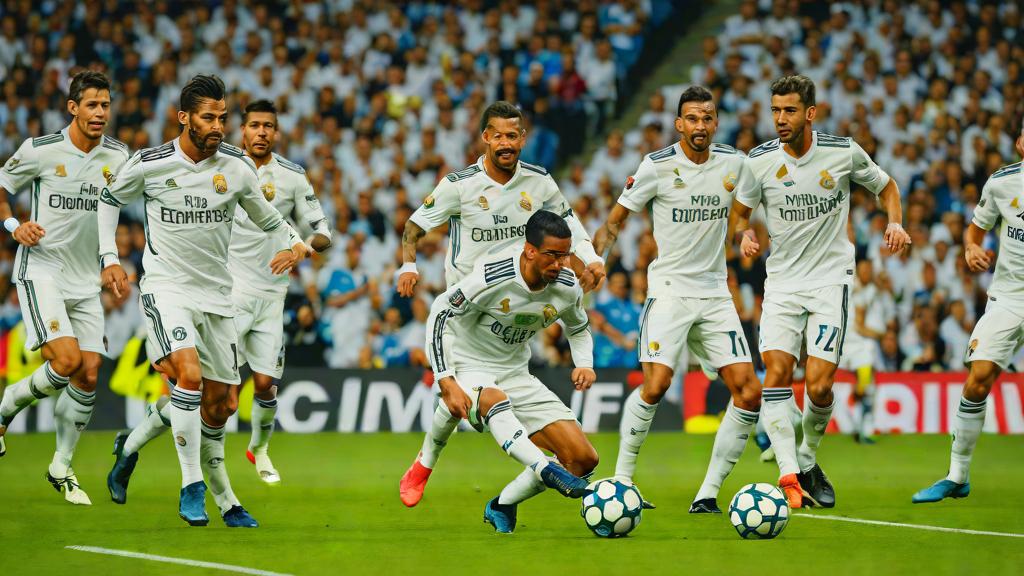
- Real Madrid holds a record 14 UEFA Champions League titles, the most of any club.
- Home matches are played at the Santiago Bernabéu Stadium, which seats about 81,000 spectators.
- Major rivalries include El Clásico versus Barcelona and the Madrid Derby against Atlético Madrid.
- The club’s typical season includes 38 La Liga games, Champions League fixtures, Copa del Rey ties, and the Supercopa de España.
- Broadcast rights vary by region, with Movistar+ in Spain and ESPN+ in the United States offering live coverage.
What makes Real Madrid games so popular?
Real Madrid’s global appeal stems from a blend of sporting excellence, iconic players, and dramatic moments that have defined football history. With 35 La Liga titles and a record 14 UEFA Champions League trophies, the club consistently fields squads capable of competing at the highest level. Fans are drawn to the team’s attacking philosophy, often referred to as “galáctico” because of the high‑profile stars who wear the white jersey.
Historic achievements that shape expectations
Since its founding in 1902, Real Madrid has built a trophy cabinet that includes:
| Competition | Titles Won |
|---|---|
| La Liga | 35 (first in 1932‑33) |
| UEFA Champions League | 14 (first in 1955‑56) |
| Copa del Rey | 20 (first in 1905) |
| FIFA Club World Cup | 5 (first in 2000) |
These figures illustrate why each Real Madrid game carries high stakes; supporters expect both domestic dominance and European glory.
When does Real Madrid play each season?
The club’s calendar follows a predictable structure:
- La Liga: 38 matches from August to May, facing every Spanish top‑flight opponent twice.
- UEFA Champions League: Group stage matches in September and October, followed by knockout rounds from February to June, provided the team qualifies.
- Copa del Rey: Single‑elimination fixtures scattered throughout the season, usually beginning in November.
- Supercopa de España: A two‑legged tie in January between the La Liga and Copa del Rey winners.
Mid‑week fixtures, especially in Europe, often create congested schedules that test squad depth and tactical flexibility.
How can fans watch Real Madrid games live?
Broadcast rights differ by region, but the following platforms reliably carry live coverage in major markets:
- Spain: Movistar+ (La Liga), Canal + (Champions League).
- United States: ESPN+ for La Liga, CBS Sports for Champions League.
- United Kingdom: La Liga TV (Premier Sports), BT Sport (Champions League).
- Online streaming: Official Real Madrid TV app provides highlights and occasional live streams for club members.
All options include commentary in multiple languages, catering to a worldwide audience.
Who are Real Madrid’s biggest rivals?
Rivalries add emotional intensity to every match. The most celebrated are:
- El Clásico – Barcelona: A cultural and sporting showdown that transcends football, usually played twice per season.
- Derby Madrileño – Atlético Madrid: The city rivalry, known for its physical battles and passionate fan sections.
- European clashes – Liverpool, Bayern Munich: Historic Champions League encounters that have produced dramatic finals.
These fixtures often attract record viewership and heightened media coverage.
What tactical styles are typical in Real Madrid games?
Real Madrid traditionally employs a balanced 4‑3‑3 formation, emphasizing quick wing play and a prolific striker. Key tactical elements include:
- High‑pressing defense: Players close down opponents early to force turnovers.
- Rapid transitions: After regaining possession, the ball is quickly moved to attacking midfielders or wingers.
- Set‑piece proficiency: Corner and free‑kick routines are rehearsed extensively, often leading to goal‑scoring opportunities.
Coaches adapt the system based on opponent strengths, but the core philosophy remains attacking efficiency.
How has the squad evolved over the decades?
From the “Blancos” of the 1950s to today’s multinational roster, Real Madrid has consistently refreshed its lineup while retaining a core of home‑grown talent. Notable eras include:
- The Di Stéfano era (1953‑1964): Alfredo Di Stéfano helped secure five consecutive European Cups.
- The “Galácticos” era (2000‑2006): Stars such as Zinedine Zidane, Luís Figo, and David Beckham were signed for their global market appeal and on‑field quality.
- Modern blend (2013‑present): A mix of academy graduates like Marco Asensio and marquee signings such as Eden Hazard and Karim Benzema (until 2023).
Each phase reflects the club’s commitment to both sporting success and commercial growth.
Where do Real Madrid games take place?
All home fixtures are held at the Santiago Bernabéu Stadium, located in the Chamartín district of Madrid. The venue opened in 1947 and currently seats approximately 81,000 spectators. A major renovation, started in 2019, adds a retractable roof and modern hospitality suites, ensuring that the stadium remains a premier football arena.
How do Real Madrid games impact the local economy?
Match‑day revenue extends beyond ticket sales. Local businesses—including restaurants, hotels, and transport services—see spikes in demand. Economic studies estimate that a single Champions League home game can generate upwards of €10 million in regional spending, highlighting the club’s role as a financial engine for the capital.
What are common fan traditions during a Real Madrid match?
Supporters create a vibrant atmosphere through several rituals:
- “Hala Madrid” chant: Sung before kickoff and after every goal.
- White scarves and jerseys: Fans wear the iconic white to show unity.
- Celebratory fireworks: Official stadium displays accompany key victories.
- Post‑match analysis: Fans gather in local bars to discuss tactics and player performances.
These customs reinforce a sense of community and continuity across generations.
What resources help newcomers understand Real Madrid games?
For those unfamiliar with the team, the following tools are useful:
- Official club website: Offers match previews, line‑ups, and statistical breakdowns.
- Mobile apps: Real Madrid TV and La Liga official app provide live scores and push notifications.
- Historical documentaries: Series such as “Real Madrid: The Story of a Legend” explore the club’s evolution.
These resources make it easier to follow the fast‑paced action and appreciate the club’s heritage.
Conclusion
Real Madrid games combine elite talent, tactical depth, and a storied legacy that captivates fans worldwide. Whether viewed in the historic Bernabéu or streamed online, each match offers a blend of drama and excellence that defines modern football.
What does the future hold for Real Madrid games?
Emerging talents from the club’s academy, combined with strategic signings, suggest that Real Madrid will remain competitive on both domestic and European stages. Advances in data analytics and sports science are also expected to refine tactics and player conditioning, ensuring that future matches continue to thrill global audiences.
Frequently Asked Questions
When does Real Madrid usually play in the Champions League?
Real Madrid’s Champions League campaign begins with the group stage in September, where they play six matches against three opponents. If they advance, the knockout rounds start in February and continue through May, with the final traditionally held in early June. The schedule can vary slightly due to calendar adjustments.
How can I purchase tickets for a Real Madrid home game?
Tickets are sold through the official Real Madrid website and the Bernabéu box‑office. Season‑ticket members receive priority access, while the general public can buy match‑day tickets during the online sales window, typically opening three weeks before kickoff. Prices range from €30 for basic seats to over €200 for premium areas.
What is the capacity of the Santiago Bernabéu after renovation?
After the ongoing renovation, the Santiago Bernabéu will accommodate roughly 81,000 spectators, slightly lower than the pre‑renovation figure of 85,000. The redesign adds a retractable roof, improved sightlines, and modern hospitality suites, enhancing the match‑day experience while maintaining a large capacity for major events.
Which Real Madrid players have won the Ballon d’Or while at the club?
Six players have received the Ballon d’Or as Real Madrid members: Alfredo Di Stéfano (1957, 1959), Raymond Kopa (1958), Luís Figo (2000), Ronaldo (2002), and Cristiano Ronaldo (2013, 2014, 2016, 2017) all won the award while playing for Real Madrid.
About The Author