Serbian Elections: Student List Wins Historic Victory as Vučić Concedes Defeat
- The Student List won the closely contested Serbian parliamentary election in a historic political victory.
- President Aleksandar Vučić conceded defeat after being brought down by the student-led movement.
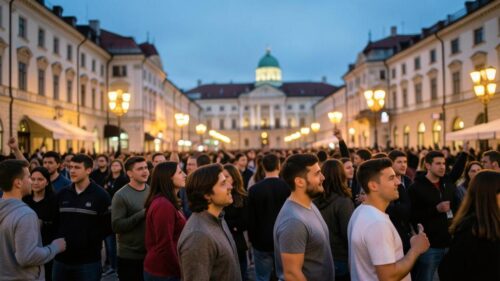
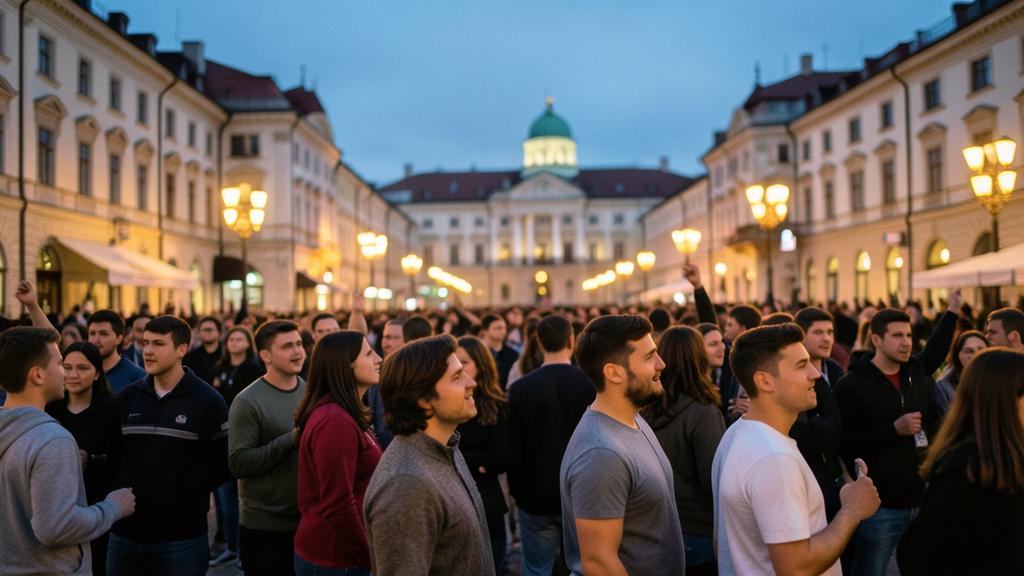
- Celebrations erupted in Belgrade following the historic political earthquake and change in national leadership.
In a landmark shift in Southeastern European politics, the Student List achieved a historic victory in the recent serbian elections, prompting President Aleksandar Vučić to officially concede defeat. The election outcome marks a major political earthquake in Belgrade, where student groups successfully mobilized voters in a closely contested parliamentary race. This dramatic result ends years of political dominance by Vučić, reshaping the country’s governance and bringing a student-led movement into national prominence.
What happened in the recent Serbian elections?
The recent serbian elections concluded with a transformative result that sent shockwaves through the nation’s political landscape. In what international observers and political commentators have described as a major earthquake, a student-led coalition competing as the Student List secured victory in the parliamentary election. Following the release of voting results, long-standing Serbian leader and President Aleksandar Vučić officially conceded defeat, marking a pivotal moment in the nation’s political history.
The announcement triggered immediate celebrations across the capital city of Belgrade, where crowds gathered in rapture to celebrate the student movement’s success. While detailed vote tallies and specific statistical breakdowns remain subject to official confirmation by electoral authorities, the outcome unequivocally demonstrates a major shift in public support away from the ruling establishment toward student activists.
How did students manage to bring down Aleksandar Vučić?
The dramatic defeat of President Aleksandar Vučić by a student coalition represents an unprecedented event in contemporary Balkan history. For years, Vučić exercised significant influence over Serbian politics and state institutions. However, a growing wave of student-led activism successfully translated civic frustration into electoral victory during the parliamentary vote.
Key factors behind the Student List victory include:
- Grassroots Mobilization: Student organizers effectively mobilized young voters and broader demographic groups who sought political change.
- Addressing Voter Concerns: The student campaign focused directly on core voter concerns, including governance, institutional reform, and future opportunities.
- Unified Opposition Front: By providing a clear and organized alternative, the Student List channeled opposition voter energy into a winning coalition.
- Strong Urban Support: Rapid momentum in Belgrade and major municipal centers established a crucial voting base for the movement.
What was at stake in the Serbian parliamentary election?
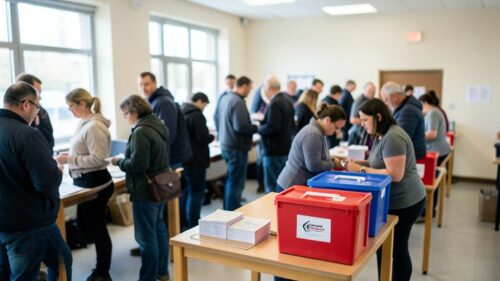
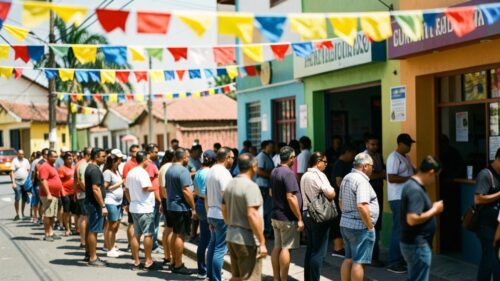
The closely contested parliamentary vote was viewed as a defining moment for Serbia’s domestic governance and political future. Voters went to the polls to decide between maintaining the established leadership under Aleksandar Vučić or opting for a new direction advocated by youth leaders and opposition groups.
The table below summarizes the key elements and dynamics of the parliamentary contest:
| Electoral Dimension | Details and Context |
|---|---|
| Main Contenders | The incumbent administration under Aleksandar Vučić vs. the victorious Student List |
| Election Type | Closely contested national parliamentary election |
| Primary Voter Concerns | Institutional integrity, economic prospects, and youth representation |
| Key Focal Point | Belgrade, where student enthusiasm generated decisive electoral momentum |
Why is the Student List victory described as a political earthquake?
Media reports and political analysts have universally described the defeat of Aleksandar Vučić as a political earthquake because it upends years of established political dynamics in Serbia. Prior to this vote, President Vučić was widely considered the dominant force in Serbian political life. The concession of defeat by such a prominent figure highlights the extraordinary impact of the student-led uprising.
In Belgrade, news of the election outcome brought citizens into the streets in widespread rapture. The victory of the Student List demonstrates that grassroots student organizing can effectively challenge and overcome consolidated political power in a democratic parliamentary election. The event is expected to influence broader regional political dynamics across Southeastern Europe.
What is the background behind the Serbian political landscape?
To understand the historic nature of these serbian elections, it is important to examine the broader political context in which the vote took place. Over recent political cycles, Serbia’s parliamentary system featured prominent established political figures and organized party machinery. President Aleksandar Vučić held a central role in driving policy, shaping public debate, and leading the governing coalition.
Against this backdrop, the political emergence of the Student List provided a striking contrast to traditional campaigning. Mobilizing around widespread voter concerns regarding governance and national policy, student leaders transformed youth civic engagement into a formal electoral force. When citizens cast their ballots in the parliamentary election, the strong showing for the Student List fundamentally changed expectations about how political movements develop in Southeastern Europe.
What happens next in Serbian politics?
Following President Vučić’s concession, Serbia now transitions toward a new political era under student leadership. The Student List faces the task of forming a functioning parliamentary government and addressing the primary voter concerns raised during the election campaign.
Anticipated next steps in the political transition include:
- Final Result Certification: Formal verification of electoral tallies across all voting districts.
- Parliamentary Assembly: Convening newly elected lawmakers in Belgrade to take their oaths of office.
- Government Formation: Establishing a parliamentary majority and executive administration led by the Student List.
- Policy Execution: Implementing reforms focused on governance, youth affairs, and civic priorities.
While specific details regarding cabinet appointments and legislative schedules remain to be announced, the immediate outcome confirms a historic changing of the guard in Belgrade.
Sources
- Student List wins Serbian election in political earthquake as Vučić concedes defeat — Euronews
- Aleksandar Vucic, the Serbian leader brought down by students — Al Jazeera
- Serbia election: Main players, voter concerns and what is at stake — Reuters
- Belgrade in rapture as Serbian students topple President Aleksandar Vucic in historic election — Deccan Herald
- Serbia heads to the polls in closely contested parliamentary election — European Western Balkans
Frequently Asked Questions
Who won the recent Serbian elections?
The Student List won the recent Serbian parliamentary election, scoring a historic victory against the political establishment and prompting President Aleksandar Vučić to concede defeat.
What was President Aleksandar Vučić's response to the election result?
President Aleksandar Vučić officially conceded defeat following the election victory by the Student List, acknowledging the political transition after years of leading the country.
Where did celebrations take place following the election?
Widespread celebrations occurred in the Serbian capital of Belgrade as news spread that the student movement had won the closely contested parliamentary election.
About The Author