St. George’s University Highlights the Importance of Early Detection and Education During Thyroid Awareness Month
Thyroid diseases, particularly hypothyroidism (an underactive thyroid) and hyperthyroidism (an overactive thyroid), are among the most underdiagnosed health issues worldwide, with 150,000 people accumulated from 1998-2021 in South Korea alone. Yet, due to the subtle and often nonspecific nature of symptoms such as fatigue, unexplained weight changes, hair loss, and mood fluctuations, many individuals live for years without realizing they have a thyroid problem.
Early Detection in Thyroid Disease Diagnosis
Timely diagnosis of thyroid disorders can make a profound difference. When detected and treated promptly, patients can avoid serious complications from thyroid disorders, including infertility, cardiovascular disease, and metabolic imbalance.
Healthcare professionals recommend that adults, especially those over age 35 or with a family history of thyroid disease, include thyroid function tests as part of their annual health screenings. These simple blood tests measure hormone levels and allow doctors to spot potential dysfunction before it progresses.
Preventive steps may include:
- Scheduling regular thyroid screening
- Maintaining balanced iodine intake
- Monitoring persistent or unexplained symptoms
- Managing stress levels
- Following a healthy diet and staying physically active
- Avoiding excessive or unregulated supplement use
How SGU Prepares Future Doctors for Comprehensive Preventive Care
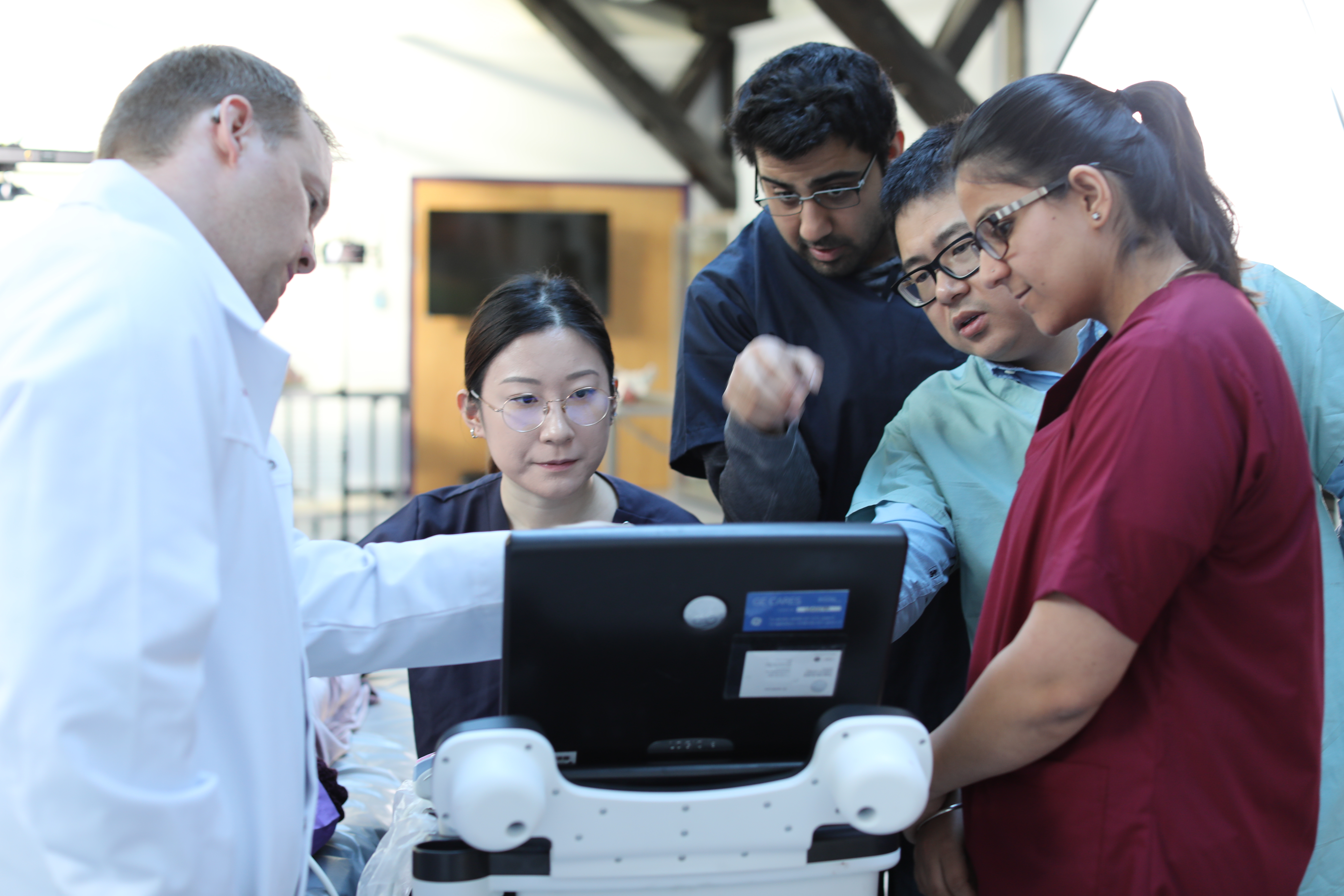
SGU’s comprehensive curriculum combines theoretical knowledge with hands-on clinical experience, enabling students to identify subtle indicators that may indicate underlying thyroid dysfunction or other endocrine disorders.
SGU encourages the public to actively recognize the critical importance of thyroid health and vigorously promote a culture of preventive care, thereby empowering communities to achieve greater well-being. By adopting a healthy lifestyle and practicing self-health awareness, individuals can significantly reduce their risk of developing thyroid disorders and establish enduring habits for long-term health.
For more information on the programs and tracks available through SGU School of Medicine, visit SGU’s website.
Hashtag: #SGU
The issuer is solely responsible for the content of this announcement.
About St. George’s University School of Medicine
Founded in 1976,  St. George’s University (SGU) is a center for academic excellence worldwide. With students and faculty drawn from more than 150 countries, SGU is truly an international institution, with a uniquely global perspective. The SGU School of Medicine is accredited by the Grenada Medical and Dental Council which has been recognized by the World Federation for Medical Education (WFME). The school offers a four-year Doctor of Medicine (MD) degree program. Students can also enter the MD degree program from many education systems around the world via the five-, six-, or seven-year tracks. SGU has a large network of 75+ affiliated hospitals and health centers in the US and UK, with the unique opportunity for students to begin their medical career in Grenada or the UK.

About The Author