Super El Niño Fuels Global Storms Before Forecasted Rapid Collapse
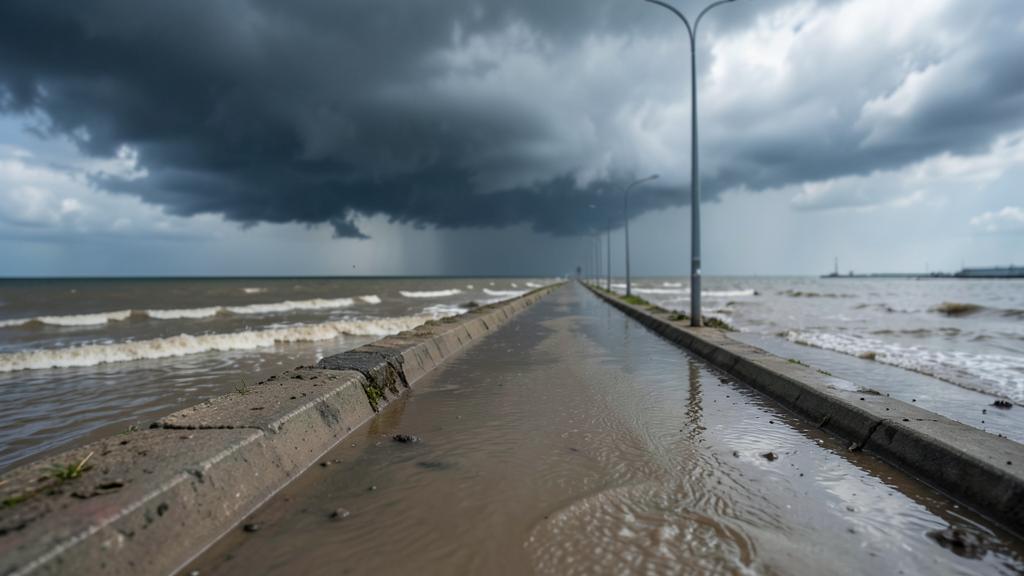
The ongoing Super El Niño weather phenomenon is fueling severe December storms and flash flooding across continents, threatening more than 30 million people in the United States while causing human casualties in South America. Meteorologists warn that after reaching record strength this winter, the global climate pattern is about to undergo a dramatic shift and rapidly collapse over the coming months.
The Super El Niño is part of the naturally occurring El Niño Southern Oscillation climate cycle, driven by periodic ocean warming in the Pacific. Eastern Pacific nations are currently experiencing severe weather events, with South American countries like Peru and Ecuador reporting heavy casualties and intense flooding. Further north, Southern California is in the crosshairs of flash flood threats, alongside unusual reports of venomous snakes appearing in communities during heavy rain. FOX Weather reported that a major cross-country storm system fueled by the ocean warming is forecast to sweep across the United States next week, placing over 30 million residents under active storm warnings.
In its winter outlook published last month, the National Oceanic and Atmospheric Administration said El Niño would likely contribute to above-average temperatures across the Great Lakes states. Weather effects vary widely depending on location. In Missouri, which sits right in the middle of the country and usually alternates between cold northern air and warm southern breezes, the milder winter pattern is helping residents dodge freezing conditions and ice-scraping mornings. Meanwhile, regional winter outlooks for Virginia outline distinct weather impacts continuing throughout the season.
Collapse and La Niña Risks in 2027
Meteorologists warn that the record-strength climate pattern will not persist indefinitely. Scientists report that the Super El Niño could rapidly collapse, clearing the way for a powerful La Niña to take over by 2027. A sudden collapse of the warming cycle and a transition into La Niña carries significant consequences worldwide. Forecasts indicate that La Niña risks for the US, the UK, and Europe in 2027 include an increased probability of widespread flooding, intense tropical cyclones, prolonged agricultural droughts, and global food inflation.
The sheer intensity of the present climate cycle has prompted comparisons to historical disasters. Nearly 150 years ago, a historic mega El Niño triggered severe global droughts and weather shocks that killed four per cent of the world’s population. As scientists monitor whether severe heatwaves in 2026 could trigger another mega El Niño event, weather agencies are evaluating the potential destruction and assessing whether countries like India should worry about severe disruptions to monsoon patterns and agricultural yields.
In the immediate term, forecasters are tracking storm systems moving out of Southern California and across the United States, as meteorologists monitor Pacific ocean temperatures for early signals of the upcoming atmospheric turn.
Sources
About The Author