Tamil Nadu: A Tapestry of Culture, History, and Spirituality
Embarking on a journey through Tamil Nadu is like stepping into a living museum, where millennia of rich history, vibrant cultural traditions, and breathtaking Dravidian architecture converge. This powerhouse state in South India boasts a profound sense of heritage, visible in everything from its ancient temples to its bustling modern metropolises. More than just a geographical location, Tamil Nadu represents one of the cradles of Tamil civilization, offering an immersive experience for travelers seeking depth, color, and unparalleled cultural resonance.
A Deep Dive into Tamil Heritage
The culture of Tamil Nadu is inseparable from the Tamil language itself, one of the oldest surviving classical languages of the world. The region’s history has been shaped by powerful empires—from the Sangam period to the Chola and Pandya dynasties—leaving an indelible mark on its art, literature, and societal structures. Understanding Tamil Nadu requires appreciating this continuity across centuries.
The Spiritual Heart: Temple Towns and Mythology
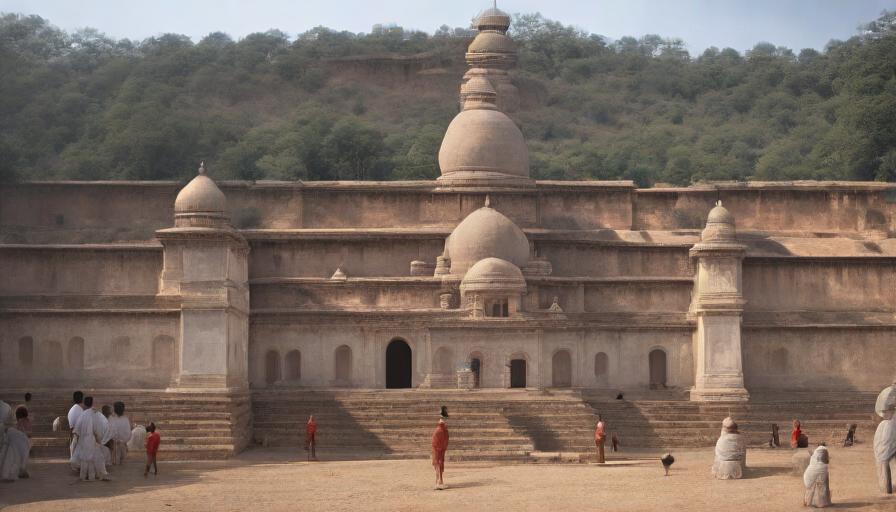
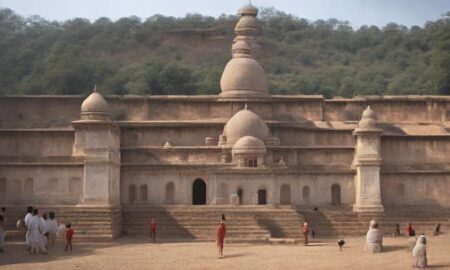
The temples of Tamil Nadu are global landmarks, not merely places of worship but architectural marvels that tell epics in stone. These structures showcase the zenith of Dravidian style, characterized by towering *gopurams* (gateway towers) and intricate sculptures. Consider the Meenakshi Amman Temple in Madurai, whose vibrant artistry reflects centuries of devotional fervor. Similarly, the Brihadeeswarar Temple in Thanjavur stands as a testament to the engineering genius of the Chola emperors. These sites are essential stops for anyone wishing to understand the spiritual depth of the region.
Vibrant Art Forms and Festivals
The cultural rhythm of Tamil Nadu is set by its festivals. Pongal, the harvest festival, is celebrated with immense fervor, embodying gratitude for the bountiful harvest. Tamil classical dance forms, such as Bharatanatyam, are globally recognized for their grace and storytelling precision. These art forms are not performances; they are deeply ingrained cultural narratives that connect the modern inhabitant to their ancient roots. The music, the dance, and the elaborate rituals paint a picture of unwavering cultural vitality.
Must-Explore Destinations in Tamil Nadu
The diversity within Tamil Nadu is remarkable, offering experiences for history buffs, nature lovers, and gastronomes alike. Whether you seek the spiritual calm of the coast or the grandeur of ancient rock-cut shelters, there is a destination for every palate.
Chennai: The Gateway City
As the capital, Chennai is a vibrant hub blending tradition with modernity. It offers a glimpse into contemporary South Indian urban life while retaining cultural pockets, such as Mylapore, which retains much of its traditional ambiance. The beaches provide a refreshing contrast to the temple grit, while the museums house artifacts detailing the region’s extensive past.
Madurai and the Temple Trail
Madurai, famously home to the Meenakshi Temple, exemplifies architectural grandeur. Traveling along the temple route allows visitors to trace the influences of various ruling dynasties, each contributing a unique layer of artistry. These sites are crucial educational journeys.
The Coastal Charms and Hill Stations
The coastline, particularly around places like Marina Beach and Pondicherry (though technically a separate entity with deep historical ties), offers therapeutic sea breezes. Contrast this with the lush green hills of Kodaikanal, which provide a cooler, serene escape, offering stunning views and a quieter pace of life perfect for rejuvenation.
A Culinary Expedition: Flavors of Tamil Nadu
No discussion of Tamil Nadu is complete without indulging in its cuisine. Tamil food is characterized by its robust flavors, liberal use of coconut, tamarind, and a deep respect for fresh, seasonal ingredients. Dishes range from the iconic *Dosa* and *Idli* to complex, flavorful seafood preparations from the coast. The emphasis is often placed on vegetarian specialties, making it a gastronomic delight for diverse palates.
Planning Your Perfect Tamil Nadu Itinerary
To fully appreciate Tamil Nadu, a combination approach is best. Start in Chennai to acclimatize to the pace and modern aspects. Dedicate several days to Madurai or Thanjavur to delve deep into the temple architecture. Finally, conclude with a visit to a coastal area or a hill station to balance the cultural intensity with natural beauty. Remember to engage with local guides who can narrate the stories behind the stone and the spice.
In conclusion, Tamil Nadu is not just a destination; it is an experience of time travel, a sensory immersion into a civilization that has thrived and flourished for millennia. Its enduring spirit, reflected in its temples, its people, and its cuisine, ensures that every visit leaves an indelible mark on the soul.
The Academic and Literary Significance
Beyond its tangible monuments, Tamil Nadu boasts an unparalleled academic and literary history. The Sangam literature, compiled centuries ago, is a monumental work of early Tamil poetry and prose, providing invaluable insights into the social customs, political life, and philosophical thought of ancient Dravidian kingdoms. Scholars continue to debate and refine the nuances of these texts, confirming Tamil’s status as a living classical language.
The tradition of Tamil scholarship is highly esteemed. From the ancient Tamil academies to modern educational institutions, the commitment to preserving linguistic purity and literary depth remains palpable. Learning about the grammatical structures and poetic meters used in the classical Tamil verse provides a unique window into the sophisticated intellectual life of South India.
Experiencing the Festival Calendar
The vibrant religious and harvest festivals are the true pulse of the state. While Pongal is central, the sheer density of local festivals throughout the year is staggering. Other notable celebrations include the Karthigai Deepam festival, which celebrates the light of knowledge, and various temple-specific Utsavams (festive processions). These events are not just holidays; they are community-driven spectacles that see the entire social fabric participating—from the elaborate preparations by local artisan groups to the collective singing of devotional songs.
Visitors are encouraged to check local calendars, as participating in a smaller, local festival offers a more intimate and authentic glimpse into the regional Tamil culture than visiting only the major tourist hubs. The participation of the local community is key to understanding the rhythm of life here.
Navigating the Experience: Tips for the Modern Traveler
To ensure a rich and seamless journey through Tamil Nadu, some practical advice can significantly enhance the experience. While the state is steeped in antiquity, modern amenities are improving rapidly, though embracing a slower, more local pace is highly recommended.
- Language Preparation: While English is spoken in tourist centers, learning a few basic Tamil phrases (like *Vanakkam* for greetings) is deeply appreciated by the locals and enhances interactions immensely.
- Temple Etiquette: When visiting the temples, always dress modestly, covering shoulders and knees. Be prepared for crowds, and hiring a local guide is invaluable for navigating temple rules and understanding the mythological context of the shrines.
- Best Time to Visit: The post-monsoon season (October to March) offers the most pleasant weather, though peak season draws larger crowds. Be mindful of extreme heat during summer months.
- Supporting Local Craftsmanship: Seek out local markets in Madurai or Coimbatore to purchase authentic handloom textiles, bronze sculptures, and traditional pottery. This supports the local economy and provides tangible memories of your journey.
In conclusion, Tamil Nadu is a destination that rewards curiosity. It demands that the traveler slow down, listen to the murmurs of the Dravidian chants, taste the spice in the air, and let the weight of history settle upon the spirit. It is a profound journey into the enduring soul of South India.