The Definitive Guide to Buying Your Perfect Watch: Styles, Movements, and Everything In Between

The Definitive Guide to Buying Your Perfect Watch: Styles, Movements, and Everything In Between
Few accessories carry the weight of history, engineering prowess, and personal statement quite like a fine watch. More than mere timekeepers, they are heirlooms, status symbols, and intricate feats of mechanical artistry. But navigating the vast world of timepieces—from minimalist quartz dress watches to robust, mechanical dive machines—can feel overwhelming. Whether you are buying your first watch or seeking an upgrade to a collector’s grail, understanding the fundamentals is key to making a purchase you will cherish for decades.
This comprehensive guide is designed to cut through the jargon. We will explore the mechanics, styles, and considerations you need to know before you buy a single thing. Get ready to transform from a novice browser into an informed connoisseur.
Anatomy of a Watch: What Makes a Timepiece Tick?
Before diving into brands, it’s crucial to understand what you are actually purchasing. A modern watch is a complex marriage of art, metallurgy, and precise engineering. Understanding its core components will empower your decision-making process.
Understanding Watch Movements: The Heartbeat
The movement is the engine inside the watch, dictating how it keeps time. Generally, movements fall into two primary categories: Quartz and Mechanical.
Quartz Movement: Accuracy and Reliability
Quartz watches operate on the principle of a battery powering a tiny, precisely vibrating quartz crystal. They are renowned for their unparalleled accuracy, low maintenance, and reliability. If your primary concern is dependable timekeeping with minimal fuss, a quartz watch is an excellent choice. They are generally more affordable entry points into the world of horology.
Mechanical Movement: The Triumph of Ingenuity
Mechanical watches—whether automatic or manual—rely on physical energy transferred through gears, springs, and levers. These are the true works of art. Manual watches require you to physically wind the crown, storing energy in the mainspring. Automatic watches, on the other hand, utilize the natural motion of your wrist (kinetic energy) via a rotor to keep the movement wound. Owning an automatic watch connects you physically to the craft, a feeling many enthusiasts find unparalleled.
Crystal Clarity: Protection for the Face
The crystal is the material covering the watch face, and its composition greatly affects durability and clarity. Sapphire crystal remains the industry gold standard. It is incredibly scratch-resistant, virtually impervious to daily wear. Mineral crystal is more common and budget-friendly, though it is more susceptible to scratching than sapphire. Always check the crystal material if scratch resistance is a major concern.
Choosing the Right Watch Style for Your Lifestyle
The best watch is the one that complements how you live. Your activity level, professional wardrobe, and hobbies should dictate the primary features you seek in your timekeeper.
Dive Watches: Built for the Deep
If your leisure time involves water, look no further than the dive watch category. These watches are built to extreme standards. They feature high water resistance ratings (often 100 meters or more), durable lume for low-light visibility, and robust, legible dials. Their rugged aesthetics are not just for show; they are engineered for function in demanding environments.
Dress Watches: Elegance Defined
For the boardroom, black-tie events, or formal occasions, the dress watch reigns supreme. These pieces prioritize subtlety, slender profiles, and sophisticated aesthetics. They often feature cleaner, less bulky dials and refined case materials designed to complement a suit jacket without drawing excessive attention. They are about understatement.
Smartwatches: The Tech Integration
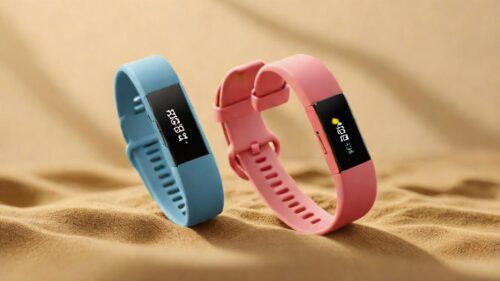
The modern smartwatch blurs the line between accessory and computer. They offer unparalleled connectivity—receiving texts, tracking advanced metrics like ECG, and running apps directly from your wrist. While they lack the mechanical soul of a traditional watch, their utility in daily life makes them powerful, hyper-functional choices for the tech-savvy wearer.
Key Buying Considerations Before You Purchase
To finalize your selection, keep these universal considerations top of mind:
- Sizing and Fit: Never buy a watch based solely on its face size. Consider the circumference of your wrist. A watch that looks perfect on a model can feel oversized or diminutive on you.
- Service History and Warranty: Reputable brands provide excellent service networks. Understanding the warranty period and the local service availability adds significant peace of mind.
- Power Reserve: For automatic watches, the power reserve indicates how long the movement will run if you don’t wear it. Higher reserves mean the watch won’t stop as quickly when dormant.
Ultimately, the perfect watch is a deeply personal piece. It should tell you time accurately, but more importantly, it should tell a story about who you are.
By understanding the mechanics, matching the style to your routine, and respecting the construction materials, your next purchase will transition from being just another gadget to a treasured companion.
The Ecosystem of Watch Materials: Beyond the Case<|"|>
The metal, leather, and crystal used in a watch are never neutral; they influence its weight, perceived value, and overall durability. Recognizing these materials allows you to align the aesthetic longevity with the intended use of the timepiece.
Stainless Steel: The Reliable Workhorse
Stainless steel (often grades 316L) is arguably the most popular material for everyday watches. It is durable, resilient, and handles daily life well without requiring extreme care. Modern treatments, such as PVD or DLC coatings, can enhance its scratch resistance and give it a unique finish, ranging from matte to highly polished. It offers an excellent balance of cost, durability, and timeless style.
Precious Metals: Investment and Grandeur
Gold (yellow, white, or rose) and platinum are associated with luxury and permanence. Gold’s primary appeal lies in its warm luster and its status as a tangible asset. While they look magnificent for formal occasions, it is crucial to understand that gold components can be susceptible to tarnishing (depending on the alloy) and are significantly more expensive to maintain than stainless steel. Platinum offers incredible resistance to corrosion and is often chosen by purists for its hypoallergenic properties.
Exotic Materials: Modern Edge and Craftsmanship
The world of watchmaking embraces more than just metals. Carbon fiber is used for deep-sea divers needing extreme lightweight durability. Ceramic cases offer unparalleled scratch resistance, often surpassing even sapphire crystal in impact scenarios, giving the watch a futuristic, robust edge. Titanium is favored by pilots and adventurers because it offers incredible strength relative to its very low weight, making large watches feel much more comfortable on the wrist.
A Deeper Dive into Complications: Functionality Meets Artistry<|"|>
A watch with a simple time display is a *time-only* piece. The complexity, or *complications*, added to a movement transforms a simple accessory into a high-horology statement. Learning about these complications is key to understanding the difference between a basic timepiece and a mechanical masterpiece.
The Date Window: The First Step in Complexity
The most basic complication is the date window. Depending on how it’s executed—a simple printed date, or a complex *perpetual calendar*—its mechanical difficulty ranges widely. A date complication is minor, but mastering the transition between months and handling leap years requires sophisticated engineering.
Chronographs: Measuring the Moment
The chronograph is perhaps the most recognizable complication. It is essentially a stopwatch integrated into the watch. These watches feature pushers flanking the crown, allowing the wearer to start, stop, and reset the elapsed time independently of the main time display. True chronographs often feature multiple sub-dials, requiring multiple functional registers within the movement.
Moon Phases and GMT: Mapping the Cosmos
A GMT (Greenwich Mean Time) complication allows the wearer to track a second time zone independently, marked by an extra 24-hour hand. The Moon Phase complication, conversely, tracks the current phase of the moon, requiring intricate orbital mechanics within the movement to accurately reflect the waxing and waning cycle.
Guide to Buying: Asking the Right Questions<|"|>
When you are standing in a shop, surrounded by ticking temptations, the sales pitch can be dazzling. To remain in control, always be prepared with these critical questions:
- “What is the power source, and what is the expected power reserve?” (If it’s mechanical)
- “What type of anti-reflective coating is used on the crystal?” (Especially important for maximizing legibility)
- “What is the official water resistance depth, and is this testing lab-certified?” (Don’t accept ‘splash proof’ for diving needs)
- “Does this model have service documentation or a guaranteed service interval?” (Ensuring long-term careability)
Remember, the perfect watch investment isn’t about the most complicated complication or the rarest metal; it’s about achieving a resonance between the piece and the narrative of your own life. Start with function, appreciate the artistry, and wear it with confidence.
About The Author