The fight over protest has moved from slogans to ground
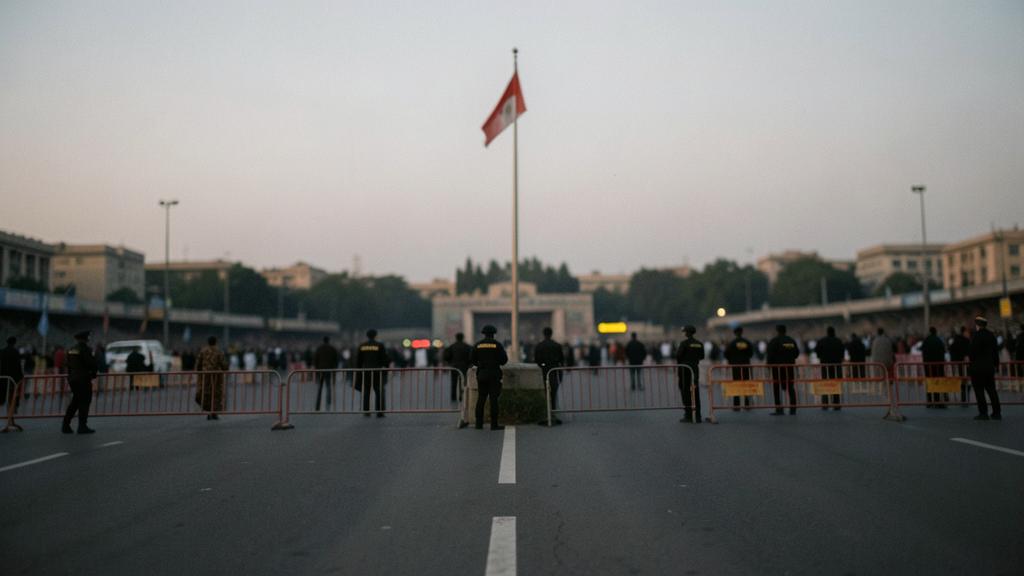
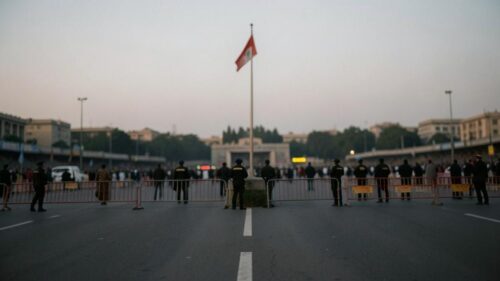
The real contest over protest in India has shifted from what is being demanded to where it may stand. No street in the country illustrates that better than Jantar Mantar, where Delhi Police’s Crime Branch questioned the Common Justice Platform’s Saurav Das and Ashutosh Ranka over a protest there and the flag that was unfurled. The two appeared after summons, and the questioning sat inside a wider push: on Tuesday, Delhi Police told the Supreme Court that Jantar Mantar should never have been designated a protest site at all.
- Delhi Police told the Supreme Court that Jantar Mantar should never have been a protest site, citing 78 foreign embassies and 99 central government offices within four kilometres.
- CJP leaders Saurav Das and Ashutosh Ranka appeared before the Delhi Police Crime Branch over the Jantar Mantar protest and flag unfurling.
- The Supreme Court said protesters cannot occupy a protest site forever, but also acknowledged a 'protest economy' it is balancing against traders' losses.
- Karnataka's BJP announced a statewide protest for November 5 against bus fare and milk price hikes, after a symbolic rose distribution to commuters at a bus stand.
- The INDIA bloc's nationwide agitation against the SIR exercise and CEC Gyanesh Kumar saw Rahul Gandhi's day-three march reach the Supreme Court for a petition.
The argument is geographic before it is legal. An affidavit put 78 foreign embassies and diplomatic missions and 99 central government offices within four kilometres of Jantar Mantar. The police position, as the Indian Express reported, is that the location is essentially a public road meant for the free movement of people. Translation: the site itself is being treated as the problem, not the gathering.
The state argues Jantar Mantar was never meant for protest
Delhi’s top cop defended the denotification of Jantar Mantar as a protest site. For traders, the case has costs of its own: senior advocate Mukul Rohatgi, appearing for them, told the court the protests had severely affected business during the festive season. The Supreme Court agreed protesters cannot occupy a protest site for all times to come. Taken together, a familiar sequence is running in full view: a protest is permitted, it lingers, the people around it suffer, and the state reconstitutes the ground as a road.
The court concedes protests have an economy
The counter-point deserves a fair hearing. The Hindu reported the Supreme Court itself acknowledging that demonstrations generate a ‘protest economy’, and it is balancing that against traders’ livelihoods, privacy and security concerns. In other words, even the institution moving to close Jantar Mantar recognises that protest is not just noise; it is a small industry in its own right, with people feeding off it. Protest and livelihood run on the same pavement. That is precisely why protest keeps returning to the same ground. The state wants the ground back; the protesters, and the economy around them, do not want to leave it.
Opposition picks ground the state cannot fence
With official protest space under pressure, opposition parties have taken protest to places the state cannot simply declare a road. In Karnataka, the BJP staged a symbolic protest against bus fare and milk price hikes at a bus stand, distributing roses to commuters. It has announced a statewide protest on November 5. The Leader of Opposition said the fare hike could have been avoided had the Congress government cleared outstanding dues. Across the state, the INDIA bloc held its own protest in Bengaluru against the SIR exercise and Chief Election Commissioner Gyanesh Kumar, seeking his resignation as part of a nationwide agitation. On day three of the Delhi protest, Rahul Gandhi’s march reached the Supreme Court, where INDIA bloc MPs planned to sign a petition against the election panel chief and press for the CEC’s resignation.
And protest that does happen now has a legal aftertaste
Even a foreign citizen’s protest in India invites paperwork and petitions. The Bombay high court continued its interim relief against the Centre’s Leave India Notice to actor Imran Khan Pal, 44, a US citizen and an Overseas Citizen of India. The court’s question during the hearing put his OCI status squarely at the centre: ‘Why not accept Indian citizenship?’ The notice and the relief mean the protest question has already moved into a courtroom long before it reaches a street.
The dates to watch are November 5, when Karnataka’s roses go out at bus stands again, and the Supreme Court’s next hearing on the Jantar Mantar pleas.
Sources
- Delhi Police questions CJP leaders over Jantar Mantar protest, flag unfurling — The New Indian Express
- Jantar Mantar trespassing row: CJP's Saurav Das, Ashutosh Ranka appear before Crime Branch — The Times of India
- CJP Leaders Saurabh Das, Ashutosh Ranka Reach Delhi Crime Branch After Summons | Videos — Hindustan Times
About The Author