
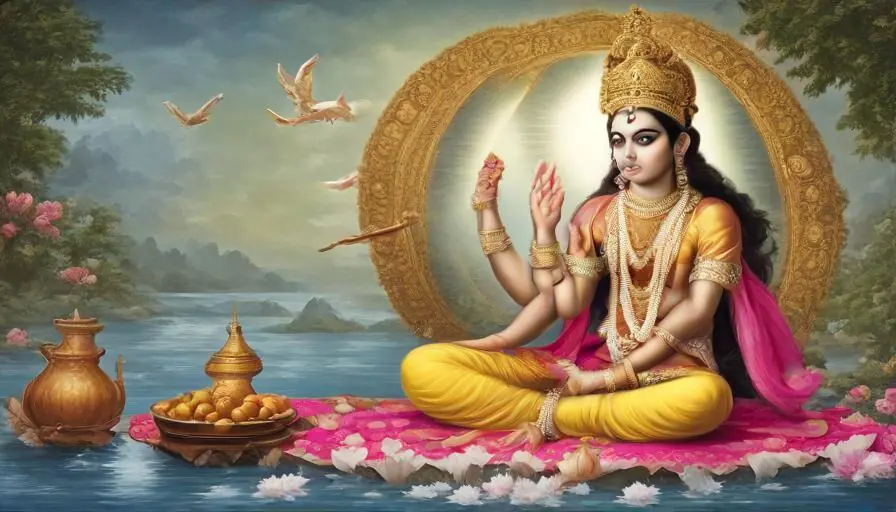
- Ekadashi falls on the 11th lunar day of each half of the Hindu month, resulting in about 24 occurrences per year.
- Traditional fasting excludes grains, beans, and certain vegetables, while allowing fruits, dairy, nuts, and water.
- Major Ekadashis such as Vaikunta, Mohini, and Prabodhini are celebrated with special pujas and are linked to specific mythological events.
Ekadashi is the 11th lunar day (tithi) of each half of the Hindu month, observed twice a month with a fast and prayer to honor Lord Vishnu. Devotees believe that observing Ekadashi purifies the mind, body, and soul, and helps break the cycle of karmic bondage.
What is the exact definition of Ekadashi?
The word ‘Ekadashi’ comes from Sanskrit: ‘eka’ meaning ‘one’ and ‘dashi’ meaning ‘ten’, together indicating the eleventh day. It falls on the 11th tithi of the waxing (Shukla Paksha) and waning (Krishna Paksha) phases of the moon, resulting in roughly 24 occurrences per Gregorian year.
When does Ekadashi occur in 2024? (Table)
| Month | Shukla Paksha Ekadashi | Krishna Paksha Ekadashi |
|---|---|---|
| January | Jan 4 | Jan 19 |
| February | Feb 2 | Feb 18 |
| March | Mar 4 | Mar 19 |
| April | Apr 3 | Apr 18 |
| May | May 3 | May 18 |
| June | Jun 1 | Jun 16 |
| July | Jul 1 | Jul 16 |
| August | Aug 30 | Sep 14 |
| September | Sep 28 | Oct 13 |
| October | Oct 27 | Nov 11 |
| November | Nov 26 | Dec 10 |
| December | Dec 25 | — |
These dates are based on the traditional Hindu lunisolar calendar and may vary by a day in regional almanacs.
How is Ekadashi traditionally observed?
Observance varies by region and personal devotion, but core practices include:
- Abstaining from grains, beans, and certain vegetables for the 24‑hour period.
- Consuming only fruits, nuts, dairy, and permitted liquids such as water or herbal tea.
- Rising early for a pre‑dawn prayer (pratah kal) to Lord Vishnu.
- Reading or listening to passages from the Bhagavata Purana that describe the benefits of Ekadashi.
- Participating in a communal puja or a simple personal aarti in the evening.
Can a person break the fast early?
Yes. If a devotee feels ill, is pregnant, or has a medical condition, the fast may be broken after sunrise with a light, non‑grains meal. Hindu scriptures, including the Manusmriti, emphasize compassion over ritual rigidity.
Why do scriptures recommend Ekadashi fasting?
Several ancient texts explain the spiritual logic:
- The Bhagavata Purana (Canto 3, Chapter 12) states that observing Ekadashi “destroys all sins accrued in the previous 30 days.”
- The Padma Purana mentions that the fast “increases sattva (purity) and awakens divine consciousness.”
- Medical commentaries in Ayurveda note that fasting on Ekadashi aligns with the body’s natural detox cycle, reducing ama (toxins) and improving digestion.
What are the most celebrated Ekadashis?
While every Ekadashi holds merit, a few are especially revered:
- Vaikunta Ekadashi (usually in December) – celebrated as the opening of Lord Vishnu’s celestial abode.
- Mohini Ekadashi (January) – associated with the divine enchantress Mohini who distributed the elixir of immortality.
- Prabodhini Ekadashi (March) – marks the awakening of Lord Vishnu after his cosmic slumber.
How does Ekadashi benefit modern lifestyles?
Beyond religious merit, the fast offers practical health advantages:
- Intermittent fasting for 24 hours improves insulin sensitivity, a finding supported by recent clinical studies (e.g., JAMA 2022).
- Reduced intake of cereals and legumes on Ekadashi lessens gluten and lectin exposure, which can benefit people with sensitivities.
- The ritual of mindful eating and meditation lowers cortisol levels, supporting mental well‑being.
Is Ekadashi compatible with a vegetarian diet?
Ekadashi is inherently vegetarian; the fast restricts grains and pulses but encourages fruits, nuts, dairy, and plant‑based oils, making it easy for vegans to adapt by using plant milks and nuts for protein.
How can beginners start observing Ekadashi?
Follow these simple steps:
- Check the local calendar for the next Ekadashi date.
- Plan a light, grain‑free menu for the 24‑hour period.
- Begin the day with a brief prayer or mantra (e.g., “Om Namo Narayanaya”).
- Stay hydrated with water or herbal tea.
- Break the fast after sunset with a simple fruit salad or kheer made from milk and jaggery.
What common mistakes should be avoided?
Do not over‑exert yourself physically, skip the pre‑dawn prayer, or consume hidden grains (e.g., soy sauce, processed nuts) that can nullify the fast’s benefits.
Conclusion: The lasting relevance of Ekadashi
Ekadashi bridges ancient spiritual practice with contemporary health trends. By observing the fast twice a month, devotees honor tradition, cleanse the body, and cultivate mental discipline, all while aligning with the lunar rhythm that has guided Hindu life for millennia.
Frequently Asked Questions
How many Ekadashis are observed each year?
Because Ekadashi occurs on the 11th tithi of both the waxing and waning moon, there are typically 24 Ekadashis in a Gregorian year.
Can I drink tea on Ekadashi?
Yes, herbal or plain tea without added sugar or grain‑based flavors is permitted during the 24‑hour fast.
What is the significance of Vaikunta Ekadashi?
Vaikunta Ekadashi, usually in December, commemorates the opening of Lord Vishnu’s celestial gate, and many devotees visit temples for a special “door opening” ceremony.
Is Ekadashi fasting safe for diabetics?
People with diabetes should consult a physician before fasting. If approved, they can modify the fast by consuming small amounts of low‑glycemic fruits and monitoring blood sugar closely.