US Bombs Iranian Targets Near Strait of Hormuz as Mediators Press Tehran
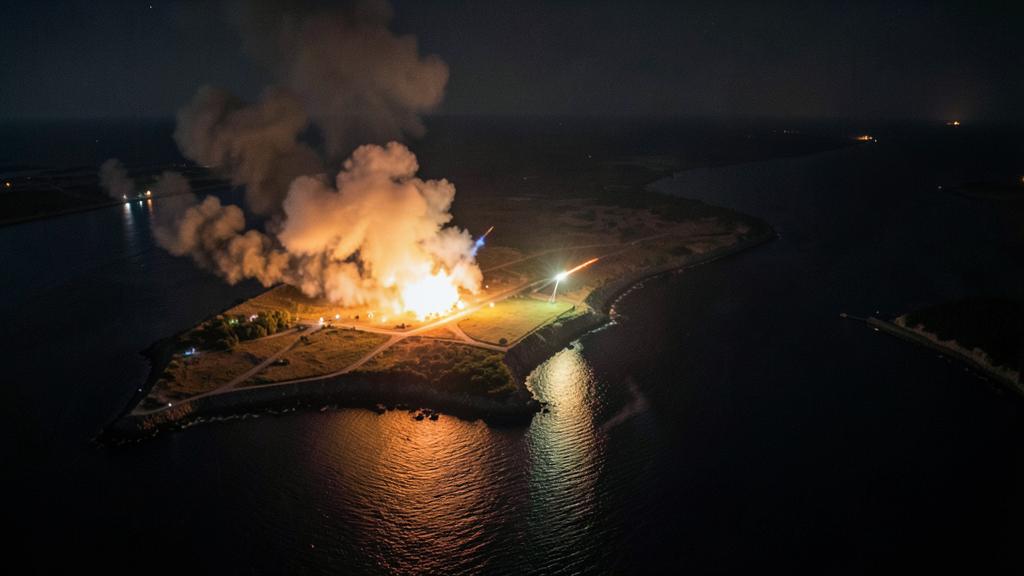
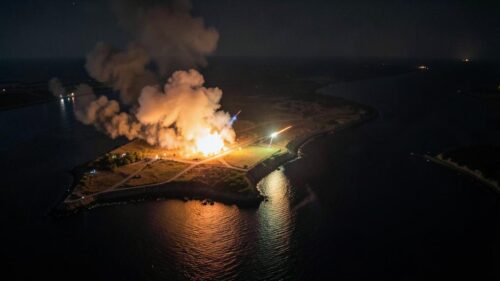
US bombs Iran — the US military carried out fresh targeted strikes on two positions on Iran’s Qeshm Island on Thursday, hours before Tehran was due to signal whether it accepts proposals from regional mediators, according to Al Jazeera and Reuters. One of the two missiles that struck the island was believed to have hit a military compound on the island’s coast, Reuters said, citing reports from the Tasnim news agency.
Strikes near the Strait of Hormuz
Qeshm Island sits in the Strait of Hormuz, the narrow waterway through which a large share of the world’s seaborne oil passes. The US strikes came a day after President Donald Trump confirmed a new round of attacks on Iranian targets, confirming to reporters that the strikes had gone ahead. The US military confirmed in a statement carried by The Hindu that it had carried out fresh targeted strikes on Thursday.
Tehran has not publicly confirmed the damage from the strikes, but it has warned of further retaliation and announced that it will unveil a new weapon it calls the ‘Father of All Bombs’ — a direct counter to the US arsenal, as The Times of India reported. Iranian officials have said the country’s response will be timed to inflict maximum cost on the United States and its allies once the election results are clear, according to Free Press Journal.
The strikes on Qeshm Island come as diplomacy inches along. A mediator — believed to be a Gulf state acting on behalf of the US — was due to meet Iranian officials on Thursday to deliver American proposals, The Hindu reported. The US has said it is open to returning to nuclear negotiations, but the latest round of strikes signals that military pressure is being kept on the table.
Mother of All Bombs on the table
The US military has drawn up fresh strike plans that include using its most powerful non-nuclear bomb against Iranian energy infrastructure and nuclear sites, CNN reported on Thursday, as cited by The Times of India and Rediff.com. The bomb in question is the GBU-43/B Massive Ordnance Air Blast, or MOAB — the largest conventional, non-nuclear bomb in the US stockpile, weighing approximately 21,600 pounds. The weapon is dropped from a transport aircraft and detonates above the target, creating a massive blast radius.
American officials remain divided on whether the MOAB should be used. Critics argue that it risks entrenching Tehran’s resolve at a moment when diplomacy could still deliver a negotiated settlement, The Times of India reported. But the very existence of fresh plans signals that the US is not ruling out a full-scale campaign if talks stall. On the other side of the table, Israeli intelligence agencies have told their American counterparts that Iran is moving rapidly to develop the technology needed to deploy chemical weapons through missiles or drones, or to smuggle them into Israel through third countries, Mint reported. US officials remain split over whether Iran would actually use such weapons, though the claim comes close on the heels of earlier Israeli intelligence assessments that Tehran was exploring missile, drone and smuggling routes for chemical weapons, as Outlook India reported.
Meanwhile, Iran has kept up its own threats. In addition to the ‘Father of All Bombs’ announcement, the country’s leadership has said the US blockade and sanctions are a de facto act of war, but is publicly weighing the status-quo option of continuing the naval blockade and crippling economic sanctions while testing Tehran’s appetite for a broader conflict, as NDTV reported. The timing of the strikes — days before the US midterm elections — has raised fears in Washington that the military action is as much about domestic politics as about Iran, with analysts split over whether the attacks were timed to boost turnout or to project strength.
Oil prices have climbed since the first US strikes on Iranian energy facilities last week, with the Financial Express reporting that fresh strike options against Iranian energy infrastructure and nuclear facilities have been developed by the US military. A strike on the Strait of Hormuz would disrupt oil flows and send prices sharply higher, but no such attack has been reported. The US is also weighing whether to authorise the MOAB against Iran, with the option having been drawn up amid rising tensions and attacks on Gulf infrastructure, Rediff.com and News18 reported.
What happens next depends on whether Tehran accepts the mediator’s proposals. Iranian officials have said a response will follow once the outcome of the US midterm elections is certain, and the US has made clear that its strike options remain active. The question of whether the ‘Mother of All Bombs’ enters the picture — and whether Iran’s promised ‘Father of All Bombs’ is real — will be answered only if diplomacy fails, and the clock on that window is now ticking.
Sources
About The Author