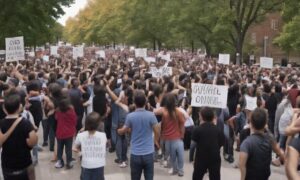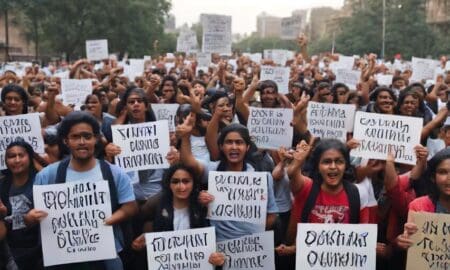
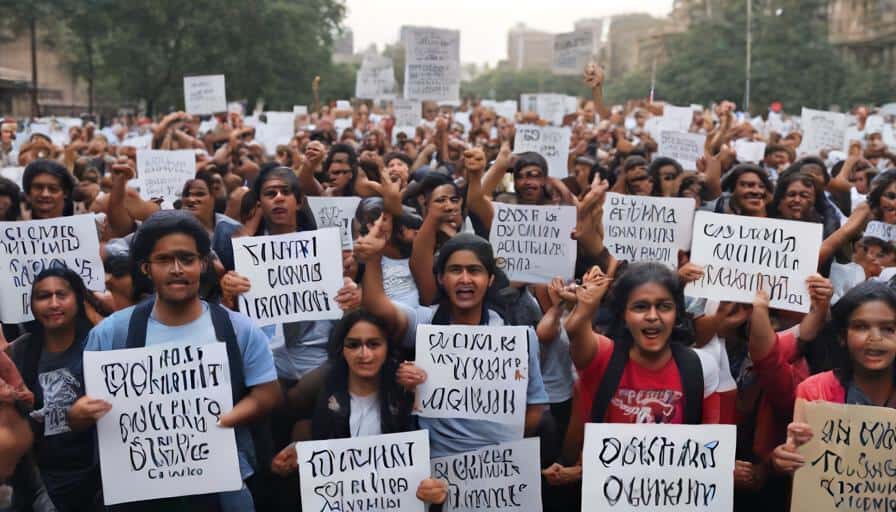
- #YouthDemandRecountingDusu is a student-led campaign advocating for EVM audits and vote recounting in Delhi University Students' Union elections following narrow victory margins and machine glitches.
- Unlike Indian national elections, DUSU elections utilize simplified standalone EVMs without Voter Verified Paper Audit Trail (VVPAT) systems, preventing physical paper ballot audits during disputes.
- Under current Delhi University guidelines, vote recounts are discretionary and rely on re-displaying electronic machine tallies rather than physical paper verification.
- Student political groups are demanding mandatory recount thresholds for margins under 1%, public disclosure of booth-wise polling data, and VVPAT integration for future elections.
The online movement #YouthDemandRecountingDusu is a student-led advocacy campaign demanding a formal recount and comprehensive technical audit of Electronic Voting Machines (EVMs) used in the Delhi University Students’ Union (DUSU) elections. The campaign emerged following allegations of voter machine discrepancies, unaddressed technical glitches, and narrow victory margins across multiple central panel posts. Student organizations and voters are calling for increased administrative transparency, open data release, and independent verification to protect the democratic integrity of Delhi University elections.
Why is #YouthDemandRecountingDusu Trending Across Student Platforms?
The hashtag #YouthDemandRecountingDusu quickly gained traction following the official declaration of Delhi University Students’ Union election results by the Vice Chancellor’s office. Representing over 130,000 eligible student voters from more than 50 constituent colleges, DUSU is one of the largest and most influential student political bodies in South Asia. Because central panel positions—President, Vice President, Secretary, and Joint Secretary—often determine future political trajectories, election outcomes carry high stakes for all participating student political organizations.
During the most recent electoral cycle, several voting booths across North and South Campuses reported technical interruptions, delayed polling, and EVM unit replacements. When final vote tallies revealed margins as narrow as a few hundred votes out of tens of thousands cast, student coalitions initiated the digital movement #YouthDemandRecountingDusu to mobilize public support and pressure university administration for a recount.
What Are the Core Allegations Driving the DUSU Recount Demands?
Student representatives from various political affiliations, including the National Students’ Union of India (NSUI), All India Students’ Association (AISA), and Students’ Federation of India (SFI), have cited several structural concerns regarding the counting process. The core grievances focus on the lack of physical paper verification and administrative handling during voting machine transfers.
| Category | Primary Concern Raised | Proposed Solution |
|---|---|---|
| EVM Reliability | Unexplained machine reboots and display errors during counting | Third-party hardware audit |
| Vote Verification | Absence of Voter Verified Paper Audit Trail (VVPAT) systems | Mandatory VVPAT deployment |
| Close Victory Margins | Margins under 1% declared without automatic recounting | Automated recount threshold rules |
| Transparency | Restricted access for candidate polling agents in count centers | Live streaming of counting halls |
How Do EVMs Used in DUSU Elections Differ from National Election EVMs?
A major point of contention highlighted by the #YouthDemandRecountingDusu campaign is the distinction between EVMs used in Indian national elections and those used in university elections. National elections conducted by the Election Commission of India (ECI) utilize M3-generation EVMs paired with Voter Verified Paper Audit Trail (VVPAT) units, allowing voters to visually confirm their printed ballot slip before it drops into a sealed box.
In contrast, Delhi University administration procures simplified standalone EVMs without VVPAT capabilities for DUSU polls. Consequently, when a vote discrepancy or machine failure occurs, election officials cannot audit physical paper receipts. A recount in DUSU elections merely involves re-reading stored electronic registers from the same machine memory chips, which critics argue fails to resolve underlying software or hardware error claims.
What Rules Govern Vote Recounts in Delhi University Elections?
The administration of DUSU elections operates under guidelines established by the Lyngdoh Committee recommendations alongside the university’s official electoral constitution. Under these rules, candidates or their authorized election agents have the right to challenge results through formal procedures:
- Immediate Written Petition: Candidates must submit a formal application detailing specific polling booth irregularities to the Chief Election Officer (CEO) within hours of the initial tally completion.
- Discretionary Officer Approval: The CEO evaluates whether the evidence justifies a recount; automatic recounts are not legally mandated regardless of how narrow the victory margin is.
- Data Re-verification: Approved recounts involve bringing disputed EVM control units back to the official counting center to re-run electronic display tallies in front of candidate representatives.
- Judicial Appeal Path: If the university election officer rejects the recount petition, candidates can challenge the decision by filing a writ petition under Article 226 in the Delhi High Court.
What Are the Key Demands of the #YouthDemandRecountingDusu Campaign?
To ensure long-term trust in student union governance, advocates participating in the #YouthDemandRecountingDusu campaign have outlined a clear set of administrative and systemic reform demands:
- Immediate Manual Recount: Re-tallying electronic control unit memory data for central panel posts where the margin of victory was fewer than 1,000 votes.
- Public Release of Booth-Level Data: Immediate online publication of raw polling data broken down by individual college polling stations.
- Independent Forensic Technical Audit: Inspection of disputed voting machines by independent cybersecurity experts to verify microchip data integrity.
- Adoption of VVPAT Technology: Institutionalizing paper trail technology for all future Delhi University student elections to enable physical cross-checking.
- Re-polling in Affected Booths: Conducting fresh voting in designated college booths where severe machine breakdowns or procedural interruptions were officially documented.
Historical Precedents of Election Controversies at Delhi University
The tension behind #YouthDemandRecountingDusu reflects a longer history of election disputes at Delhi University. In 2018, counting for DUSU office bearers was temporarily halted after multiple EVMs malfunctioned in the middle of vote processing, leading to intense student demonstrations and legal petitions before the Delhi High Court. Similar post-election disputes regarding machine transparency arose during the 2019 and 2023 DUSU election cycles.
These recurring disputes demonstrate that without modernized infrastructure and transparent auditing mechanisms, student elections will remain vulnerable to post-result litigation and public distrust. As the current movement develops, university authorities face growing calls from student organizations, faculty members, and legal experts to update election procedures to align with national electoral transparency standards.
Frequently Asked Questions
What does #YouthDemandRecountingDusu stand for?
#YouthDemandRecountingDusu is a digital and on-campus campaign by Delhi University students demanding a formal vote recount and EVM technical audit following disputed election results. The campaign highlights concerns over machine breakdowns, narrow vote margins, and the lack of paper audit trails in DUSU elections.
Why do DUSU EVMs not have VVPAT paper trails?
Delhi University independently procures standalone electronic voting machines separate from the Election Commission of India. Because standard university election budgets and procurement processes have historically omitted VVPAT systems, DUSU EVMs store votes purely in microchip memory without generating a physical paper receipt for audit verification.
Can candidates legally challenge DUSU election results in court?
Yes. If the DUSU Chief Election Officer rejects a candidate's formal recount application, candidates can file a writ petition in the Delhi High Court under Article 226. The High Court can order EVM preservation, direct administrative inquiries, or mandate judicial supervision over recount proceedings.
How are votes officially recounted in DUSU elections?
In DUSU elections, an approved recount involves retrieving the disputed EVM control units and re-running the electronic memory tally in the presence of candidate representatives. Because physical paper slips do not exist, the process re-verifies stored digital counts rather than physical ballots.