- The Madrid GP will join the Formula 1 World Championship calendar in 2026 under a 10-year contract extending through 2035.
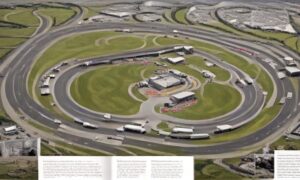
- The 5.47-kilometer hybrid circuit features 20 turns, two tunnels, and a banked corner built around IFEMA and Valdebebas.
- Located 5 minutes from Madrid-Barajas Airport, the circuit is designed for 90% public transport fan arrivals.
- Initial spectator capacity starts at 110,000 daily visitors, expanding to 140,000 during the contract period.
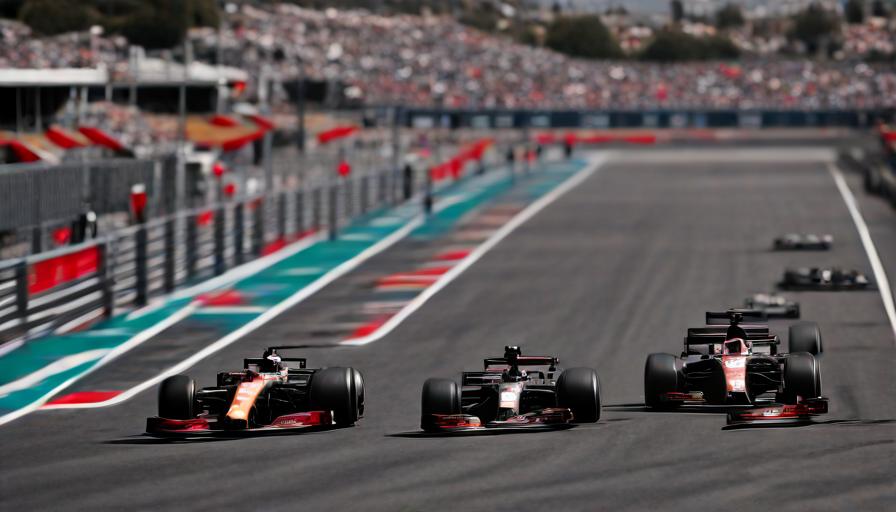
The madrid gp is an official Formula 1 World Championship race scheduled to join the international racing calendar in 2026 under a ten-year contract running through 2035. Situated around the IFEMA Madrid exhibition center and the nearby Valdebebas development, the venue features a 5.47-kilometer semi-street circuit with 20 turns. The grand prix marks the return of Formula 1 racing to the Spanish capital region for the first time since the Jarama circuit hosted its final event in 1981.
What is the official layout and design of the Madrid GP circuit?
Designed by renowned Italian circuit architecture firm Dromo, the Madrid GP layout combines temporary street elements with permanent racing sections. Spanning a total length of 5.47 kilometers (3.39 miles), the track features 20 distinct turns and is anticipated to yield qualifying lap times around 1 minute and 32 seconds. Drivers will navigate a mix of high-speed sweeps, heavy braking zones, and technical urban chicanes.
A defining characteristic of the circuit is its inclusion of two distinct tunnels and a dramatic, steeply banked turn. Turn 10 through Turn 12 will challenge aerodynamic setups as cars transition from the exhibition grounds into the hilly terrain of Valdebebas. The circuit design places heavy emphasis on overtaking opportunities, featuring a 1.5-kilometer full-throttle section along the main straight adjacent to the IFEMA pavilions.
Unlike purely temporary street circuits like Monaco or Las Vegas, over 1.5 kilometers of the Madrid track will be purpose-built permanent racing asphalt. This hybrid design provides optimum grip levels while minimizing disruption to city traffic during setup and tear-down windows before and after race weekend.
When does the Madrid GP start, and how long is the contract?
Formula 1 and local promoters officially announced a ten-year agreement starting in 2026 and extending through the 2035 World Championship season. While exact dates for the 2026 calendar remain subject to FIA confirmation, the race is expected to take place during the traditional European summer stretch, likely scheduled in late May or early June.
The long-term commitment allows local authorities and private investors to invest heavily in permanent infrastructure. Over €100 million in private funding is designated for circuit construction, venue upgrades, and surrounding transport logistics, requiring zero direct taxpayer subsidies according to project organizers.
How accessible is the Madrid GP for international and local fans?
Accessibility is a central selling point of the Madrid GP layout. Located adjacent to the Adolfo Suárez Madrid-Barajas Airport, the circuit is reachable within five minutes by public transit from international arrival terminals. This proximity eliminates the lengthy travel times often required to reach remote motorsport venues.
Spectators traveling from downtown Madrid can access the venue via multiple transit options:
- Madrid Metro Line 8: Direct service connects the Nuevos Ministerios transport hub to the Feria de Madrid station in approximately 12 minutes.
- Cercanías Suburban Rail: Lines C-1 and C-10 deliver passengers directly to Valdebebas station, situated adjacent to the outer loop of the circuit.
- Urban Bus Lines: Multiple municipal bus routes (including lines 112, 122, and 828) serve the IFEMA complex directly.
Organizers estimate that 90% of attending fans will arrive via high-capacity public transport, making it one of the most eco-friendly events on the modern F1 calendar.
Madrid GP vs. Circuit de Barcelona-Catalunya: Key Specs
The arrival of Madrid onto the F1 schedule changes Spain’s long-standing relationship with top-tier motorsport. Below is a direct comparison between the new Madrid venue and the historic Circuit de Barcelona-Catalunya in Montmeló.
| Feature | Madrid GP (IFEMA) | Circuit de Barcelona-Catalunya |
|---|---|---|
| Track Type | Hybrid / Semi-Street Circuit | Permanent Road Course |
| Circuit Length | 5.47 km (3.39 miles) | 4.657 km (2.89 miles) |
| Number of Corners | 20 | 14 |
| Initial Capacity | 110,000 per day | 120,000 per day |
| Contract Period | 2026–2035 | Contract expires after 2026 |
| Airport Proximity | 5 minutes (Barajas) | 40 minutes (El Prat) |
While Madrid holds the exclusive title for the Spanish Grand Prix starting in 2026, discussions regarding potential race-sharing rotation or dual Spanish events continue between Formula 1 officials and Catalan organizers.
What features make the IFEMA Madrid circuit unique?
The Madrid GP integrates several innovative logistical features designed to enhance fan experience and operational efficiency. Uniquely, the venue will utilize IFEMA’s massive indoor exhibition halls to house fan zones, team hospitality structures, media centers, and VIP suites. This indoor setup shields guests from extreme summer temperatures and offers air-conditioned comfort directly alongside the pit lane.
Additionally, the facility aims for carbon neutrality. All lighting, hospitality units, and operational centers during the race weekend will run entirely on 100% certified renewable energy sourced from local solar and wind projects.
What is the expected spectator capacity and ticketing plan?
When the event debuts in 2026, the venue will accommodate approximately 110,000 spectators per day across grandstands, general admission areas, and corporate suites. Over the course of the ten-year contract, planned venue expansions will raise total daily capacity to 140,000 fans.
Ticket packages are anticipated to go on sale approximately 10 to 12 months before the official race weekend in mid-2025. Priority access will be offered through official Formula 1 ticketing channels and IFEMA membership programs. With high regional demand and easy transit connections, inaugural race tickets are expected to sell out rapidly.
Frequently Asked Questions
When is the first official Madrid GP taking place?
The first official Madrid GP is scheduled for the 2026 Formula 1 season. While the final calendar dates require FIA approval, the event is expected to take place during late spring or early summer in 2026 as part of the European race leg.
Is the Madrid GP replacing the Circuit de Barcelona-Catalunya?
Madrid holds the official rights to host the Spanish Grand Prix starting in 2026 through 2035. Barcelona's contract with Formula 1 runs through 2026, and organizers are discussing possibilities for future calendar rotation or dual Spanish events beyond that date.
How do fans get to the Madrid GP circuit?
Fans can easily reach the IFEMA circuit using Metro Line 8 to Feria de Madrid station or Cercanías commuter train lines C-1 and C-10 to Valdebebas. The venue sits just five minutes from Madrid-Barajas Airport and twelve minutes from central Madrid.
What are the key technical specifications of the Madrid circuit?
Designed by circuit architectural firm Dromo, the hybrid circuit measures 5.47 kilometers (3.39 miles) with 20 turns. It combines permanent road sections with street elements, featuring a steeply banked turn, two tunnels, and an estimated qualifying lap time of 1:32.00.