Kabaddi Explained: Rules, History, and How to Play the Fast‑Paced Contact Sport
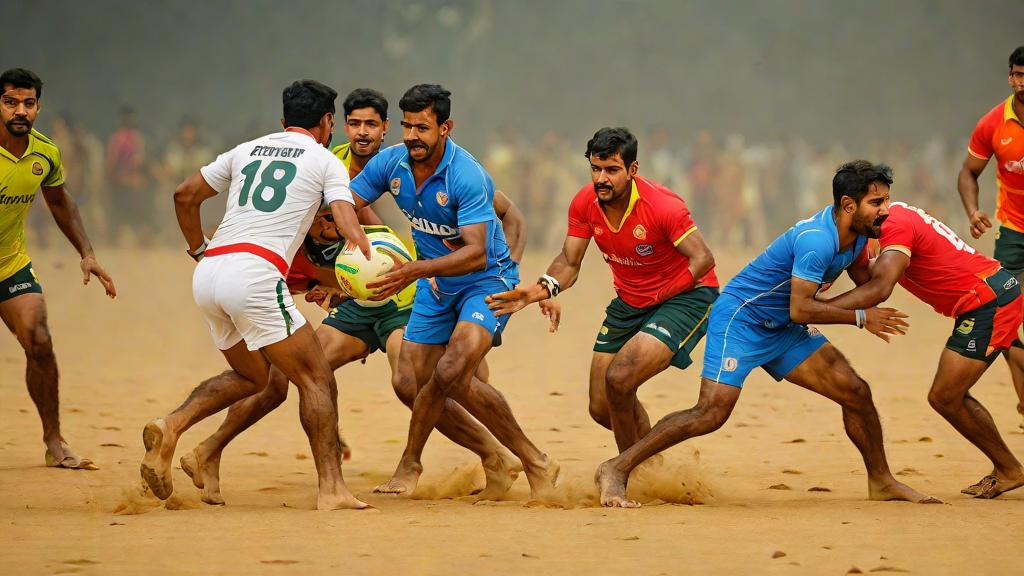
- Kabaddi is a contact sport where a raider tags defenders and returns safely to score points.
- The modern game follows a 7‑vs‑7 format on a 13 × 10 m court, with raids lasting up to 30 seconds.
- Professional leagues like the PKL have boosted viewership to over 200 million and generate multi‑billion‑rupee media rights.
What is Kabaddi and how is it played?
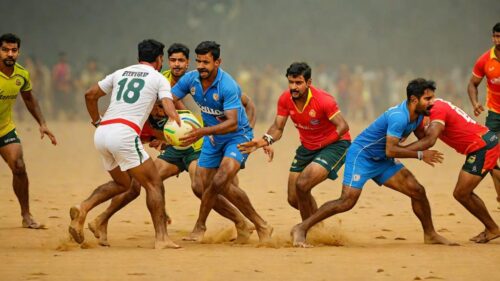
Kabaddi is a high‑intensity contact team sport where seven players per side alternate between raiding and defending on a rectangular court. The objective is for a raider to tag opponents and return to his half without being tackled, while the defending team aims to stop the raid.
Basic rules and scoring
A raid lasts up to 30 seconds, during which the raider must continuously chant “kabaddi, kabaddi” to prove he is exhaling. If he touches a defender and returns safely, his team scores one point per defender touched. If the defender tackles the raider before he returns, the defending team earns a point.
Team composition
Each side fields seven active players on the court and up to five substitutes. The positions include raiders, corner players, and a cover defender, each with specific tactical responsibilities.
When did Kabaddi originate and how did it evolve?
Historical references place Kabaddi in ancient Indian texts such as the Mahabharata (circa 400 BCE) where a similar game called “Vyakti” is mentioned. Villages across South Asia played it as a test of strength and agility.
Historical roots in ancient India
British colonial records from the 19th century describe Kabaddi as a popular pastime in Punjab, Gujarat, and Tamil Nadu. The first formal rules were codified by the Indian Amateur Kabaddi Federation in 1950.
Modern professional leagues
The Pro Kabaddi League (PKL) launched in 2014, adopting a franchise model similar to cricket’s IPL. In its inaugural season, PKL attracted over 200 million television viewers in India and introduced innovations like video‑review and player auctions.
How are points awarded in Kabaddi?
Points are allocated through raids, tackles, and bonus actions. The following table summarizes the standard scoring system used in most national and international competitions.
| Action | Points |
|---|---|
| Successful raid (touch & return) | 1 per defender |
| All‑out (defending team loses all players) | 2 extra |
| Successful tackle | 1 |
| Super tackle (3 or fewer defenders) | 2 |
| Bonus line raid (raider crosses bonus line) | 1 |
Raid points and defense points
When a raider tags multiple defenders, each tag adds one point. Conversely, a defender who executes a super tackle—stopping a raider while only three or fewer defenders are on the mat—earns two points, encouraging strategic risk‑taking.
What are the major international competitions?
Kabaddi debuted at the Asian Games in 1990 (Beijing) and has been a staple ever since, with India winning gold in every edition until 2018, when Iran claimed the title. The Kabaddi World Cup, organized by the International Kabaddi Federation, held tournaments in 2016 and 2019, featuring teams from 12 nations.
Asian Games and Kabaddi World Cup
Both events follow the same 20‑minute match format, split into two halves. The 2019 World Cup introduced a “fast‑track” rule where a raider can earn an extra point for crossing the opponent’s mid‑line within the first five seconds.
How can beginners learn Kabaddi?
Starting players should focus on three core skills: breath control, agility, and safe tackling technique. Below is a step‑by‑step guide suitable for newcomers.
Step‑by‑step training guide
- Breath chant practice: Stand in a circle and chant “kabaddi” for 30 seconds while walking; this builds the required lung capacity.
- Tag drills: Pair up and practice tagging the opponent’s shoulders and waist without contact, then add light tackles.
- Defensive stance: Learn the “ankle hold” and “hip lock” techniques to immobilize a raider safely.
- Mini‑matches: Play 5‑vs‑5 games on a 10 × 13 meter court to apply skills in a realistic setting.
Where can you watch Kabaddi live?
In India, the PKL is broadcast on Star Sports and streamed on Disney+ Hotstar. International fans can follow matches through the World Kabaddi Federation’s YouTube channel, which provides English commentary and subtitles.
Is Kabaddi an Olympic sport?
As of 2023, Kabaddi is not part of the Olympic programme, but the International Olympic Committee has recognized it as a candidate sport, and the sport’s governing bodies are lobbying for inclusion in future Games.
What health benefits does Kabaddi provide?
Regular Kabaddi training improves cardiovascular endurance, muscular strength, and flexibility. A study by the Indian Council of Medical Research in 2020 found that players who trained three times a week had a 15 % higher VO₂ max compared to sedentary peers. The sport also enhances hand‑eye coordination and decision‑making speed because raiders must react within seconds while maintaining breath control.
How is Kabaddi different from rugby or tag?
Unlike rugby, Kabaddi does not involve carrying or throwing a ball, and physical contact is limited to tackles that immobilize the opponent rather than bring them to the ground. Compared with the playground game of tag, Kabaddi requires the raider to continuously chant, adding a unique breath‑holding component that tests stamina as well as agility.
Key equipment and playing surface
The standard court measures 13 × 10 meters for men and 12 × 8 meters for women, marked with boundary lines, a bonus line, and a raid line. Players wear lightweight jerseys, shorts, and optional knee pads; shoes should have good grip but no spikes to protect the mat surface.
How is Kabaddi organized in schools and colleges?
In India, the School Kabaddi Federation conducts inter‑school tournaments for ages 10‑16, using a 5‑vs‑5 format to accommodate limited space. Colleges compete in the All‑India Inter‑University Kabaddi Championship, which follows the full‑court 7‑vs‑7 rules and serves as a talent pipeline for the Pro Kabaddi League.
Typical schedule for a school tournament
A typical school tournament follows a four‑stage schedule:
- Warm‑up and breath‑control drills (10 min)
- Round‑robin group stage (20 min per match)
- Knock‑out semifinals (15 min per match)
- Final and award ceremony (30 min)
What is the future outlook for Kabaddi?
With increasing television rights revenue—PKL media rights sold for ₹2.5 billion in 2022—and growing interest in Southeast Asia, experts predict a 12 % annual viewership growth through 2028. The sport’s inclusion in the 2026 Commonwealth Games as a demonstration event could pave the way for Olympic recognition.
Conclusion
Kabaddi blends strategy, speed, and breath control, making it a distinctive sport that appeals to athletes worldwide. Whether you watch the Pro Kabaddi League, join a local club, or study its history, the game’s growth shows no sign of slowing.
Frequently Asked Questions
How long is a Kabaddi match?
A standard Kabaddi match lasts 20 minutes, split into two 10‑minute halves with a short halftime break. The clock stops only for injuries or time‑outs.
Can women play Kabaddi competitively?
Yes, women's Kabaddi follows the same basic rules but uses a slightly smaller court (12 × 8 m). International competitions such as the Asian Games include separate women's events.
What basic equipment do I need to start playing Kabaddi?
You only need a non‑slippery mat or indoor court, lightweight jerseys, shorts, and optional knee pads. Shoes should have good grip without spikes.
How is a "super tackle" scored?
A super tackle occurs when three or fewer defenders successfully stop a raider; the defending team earns two points instead of the usual one.
About The Author