Security Protocols Tested as Hijack Threat and Fugitive Arrest Trigger Airport Alerts
The real test of operational security isn’t just stopping threats before boarding, but how efficiently a major hub handles unexpected crises once passengers and aircraft are already in motion. On a single day at Netaji Subhas Chandra Bose International Airport, ground personnel and security agencies were forced to manage two separate, high-stakes law enforcement emergencies within hours of each other. A handwritten message on an Air India aircraft lavatory mirror triggered an immediate emergency response on the tarmac, while terminal police simultaneously intercepted a fugitive lawmaker attempting to board a domestic flight.
The first incident unfolded on board a scheduled Air India service bound for Mumbai. Shortly before its planned 10:20 am departure, cabin crew conducting pre-flight checks made a critical discovery inside an onboard lavatory. Written across the lavatory mirror was a direct hijack threat, specifically warning that the aircraft would be hijacked at 11:10 am. The crew immediately alerted the cockpit, and the pilot issued a formal hijack alert while the plane was still positioned at Netaji Subhas Chandra Bose International Airport. The notification activated national aviation security protocols, halting the flight’s takeoff procedures immediately.
- An Air India flight to Mumbai was grounded at Kolkata airport after cabin crew found a hijack threat written on a lavatory mirror warning of an 11:10 am hijack.
- The aircraft was moved to an isolation bay immediately after the pilot issued a formal hijack alert prior to the planned 10:20 am departure.
- Absconding TMC MLA Paresh Ram Das was arrested at Kolkata airport on Monday evening while allegedly attempting to board a flight to Mumbai in a rape and extortion case.
Tarmac isolation measures prevented potential in-air disruption
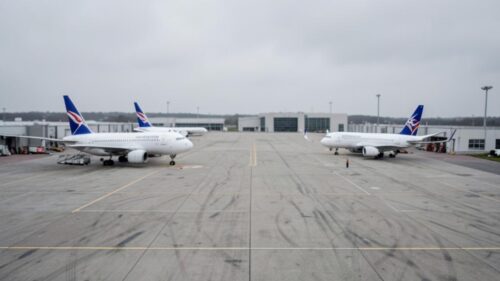
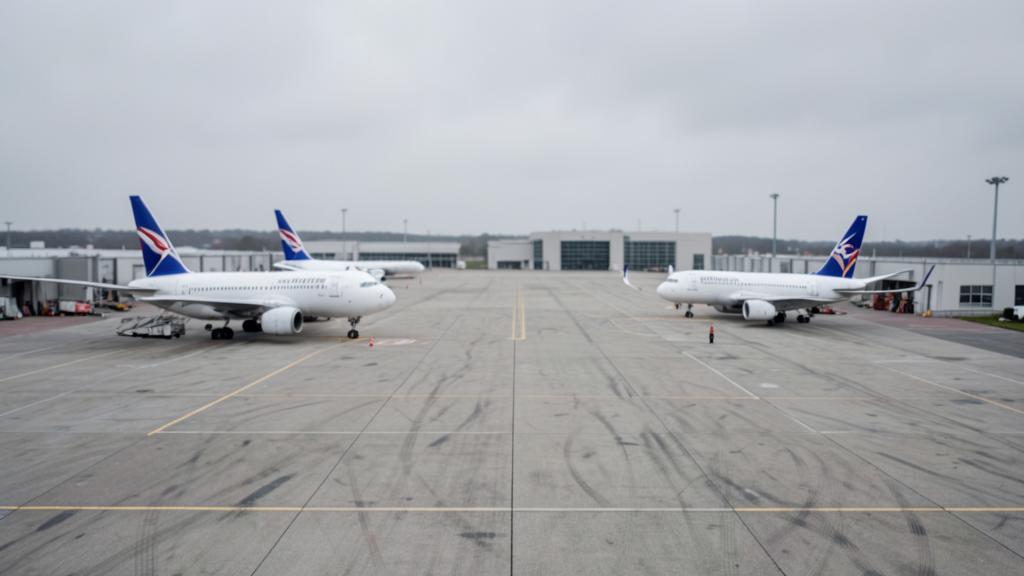
Ground control moved the Air India aircraft away from active runways and main terminal gates, directing it straight to the airport’s designated isolation bay. By isolating the plane before it cleared the runway, aviation security teams minimized risk to terminal operations and other commercial flights. The threat note had specified a precise timestamp of 11:10 am, giving security units a narrow window to assess the credibility of the note, secure the cabin, and sweep the passengers and baggage.
Standard protocol in hijack alerts requires specialized bomb disposal squads, security personnel, and intelligence officials to inspect the entire structure, including cargo holds and passenger cabin areas. The Mumbai-bound flight remained grounded in the isolation bay while security forces executed a full search. The incident points to the vulnerability of pre-departure checks when written threats are placed inside passenger accessible spaces like lavatories just minutes before scheduled departure times.
High-profile arrest exposes terminal surveillance capabilities
While tarmac emergency teams managed the grounded Air India aircraft, security forces inside the terminal building executed a targeted arrest. Trinamool Congress (TMC) MLA Paresh Ram Das, who had been absconding in connection with a high-profile rape and extortion case, was intercepted at Netaji Subhas Chandra Bose International Airport on Monday evening. Das was allegedly attempting to board a commercial flight to Mumbai to evade law enforcement agencies that had been tracking his movements.
The arrest of an absconding state legislator inside the departure terminal demonstrates the coordination between state police departments and airport security personnel. Law enforcement agencies had flagged Das as a fugitive, enabling terminal security to identify and apprehend him before he could pass through boarding gates. His attempt to use the Kolkata to Mumbai corridor mirrored the flight path of the grounded Air India service, showing how heavily relied upon that specific domestic route is for commercial traffic.
Isolation protocols versus active terminal screening
One counter-argument to concerns about airport vulnerability is that both emergency responses functioned as designed under federal security guidelines. Proponents of this view point out that the cabin crew identified the handwritten lavatory threat before the aircraft entered the taxiway, preventing an in-flight panic at 11:10 am. Similarly, the capture of Paresh Ram Das shows that intelligence networks and terminal watchlists successfully blocked a high-profile criminal suspect from fleeing the state.
However, the occurrence of two distinct high-level security incidents on the same day reveals operational friction in pre-flight screening. While the isolation bay response successfully neutralized the immediate hazard of the hijack note, the fact that a threat could be penned inside a lavatory prior to the 10:20 am departure raises questions about pre-boarding cabin sweeps. Security forces now face the dual challenge of maintaining rapid isolation protocols on the tarmac while tightening physical sweeps of cabin interiors before passengers board.
Reporting from
About The Author