Rahul Gandhi Launches Satyagraha: A Digital Platform for Tracking Indian Protests
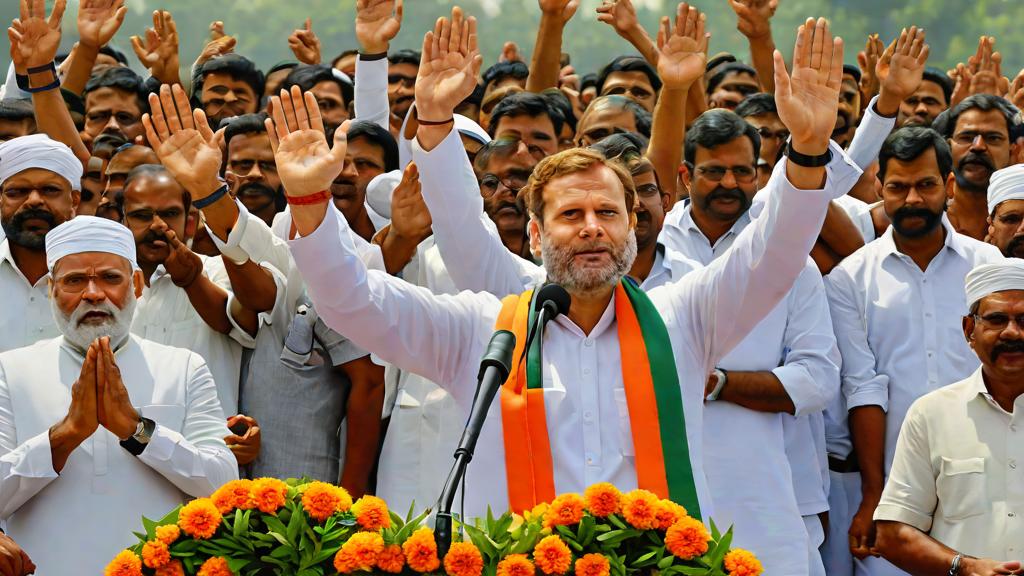
- Rahul Gandhi launched the Satyagraha digital platform to collect and track protest stories against the CEC.
- The portal features citizen‑submitted reports, a live map, searchable database, and a public dashboard.
- Satyagraha borrows Mahatma Gandhi’s concept of non‑violent truth‑seeking to frame modern digital activism.
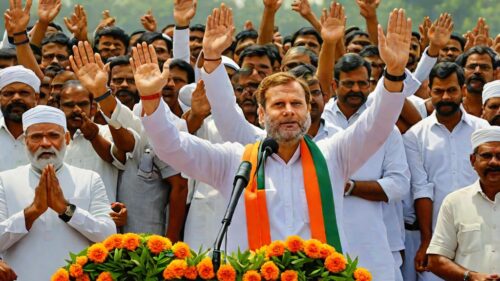
Satyagraha is a new digital platform launched by senior Congress leader Rahul Gandhi that lets Indian citizens upload and track protest stories, especially those aimed at the Chief Election Commissioner (CEC). The portal is designed to give a single, searchable repository for grievances, allowing the public to speak up against perceived injustice and to monitor nationwide stirrings in real time.
What is the Satyagraha digital platform and why was it created?
According to recent headlines, the platform was introduced as a direct response to ongoing protests against the CEC. Rahul Gandhi positioned Satyagraha as a tool for citizens to voice their concerns, compile evidence of alleged unfair practices, and create a transparent record of nationwide unrest. The launch signals an effort by the Congress party to harness digital technology for political mobilisation and accountability.
Key features announced by Rahul Gandhi
- Citizen‑submitted stories: Users can upload text, photos, or video evidence of protests.
- Real‑time tracking: A live map shows the geographic spread of reported incidents.
- Searchable database: Keywords and filters help researchers locate specific grievances.
- Public dashboard: Aggregate statistics on the number of reports, categories of injustice, and regional trends.
- Secure authentication: Optional login protects user identity while ensuring data integrity.
How does Satyagraha help citizens report protests?
The portal offers a straightforward, open‑source interface that does not require technical expertise. By centralising protest narratives, Satyagraha aims to prevent isolated incidents from being dismissed as anecdotal, instead presenting a collective picture that can be referenced by media, NGOs, and policymakers.
Step‑by‑step guide to submitting a story
- Visit the official Satyagraha website (URL announced by Rahul Gandhi in the launch press release).
- Click “Submit a Report” and choose the type of media you wish to upload.
- Enter a brief description, location (city, state), and date of the incident.
- Optional: Provide your email or phone number for follow‑up verification.
- Review the information for accuracy and click “Publish”. The story will appear on the public dashboard after a brief moderation check.
What is the historical meaning of “satyagraha” and how does it relate to this initiative?
The word “satyagraha” was coined by Mahatma Gandhi in the early 20th century to describe non‑violent resistance rooted in truth and firmness. While the historical movement focused on civil disobedience against colonial rule, the modern digital platform borrows the term to signal a peaceful, truth‑seeking approach to modern political grievances. Rahul Gandhi’s choice of name therefore attempts to link contemporary digital activism with the legacy of moral protest.
What are the next steps for the platform?
Public details about future development phases are not yet disclosed in the headlines. It is reasonable to expect that the Congress party will promote the portal through its network, encourage volunteers to verify submissions, and possibly integrate the data with legal or parliamentary inquiries. As the platform gains traction, additional features such as multilingual support or API access for research institutions may be introduced.
Why is Satyagraha considered a significant development in Indian political discourse?
By providing a digital space specifically for protest documentation, Satyagraha could change how dissent is recorded and amplified. Traditional media often rely on limited field reporters, while grassroots voices may remain unheard. A centralized, citizen‑driven repository offers a new evidence base that could influence public opinion, election monitoring, and even judicial review of alleged electoral malpractice.
In summary, the Satyagraha platform reflects a strategic blend of historical symbolism and modern technology, aiming to empower ordinary Indians to contribute to a transparent narrative of protest activity across the country.
Potential challenges and criticisms
While the concept of a crowdsourced protest‑tracking portal is innovative, skeptics have raised several concerns. First, the authenticity of user‑generated content can be difficult to verify, especially in a highly polarized environment where misinformation spreads quickly. Critics argue that without a robust fact‑checking mechanism, the platform could inadvertently become a conduit for false claims or political propaganda. Second, there is the risk of retaliation: citizens who submit reports about powerful local officials or law‑enforcement agencies may face intimidation or legal action, even if the platform offers optional anonymity. Finally, some political analysts warn that a single party‑driven digital tool may be perceived as a partisan weapon rather than a neutral civic utility, potentially limiting its acceptance across the broader political spectrum.
Data privacy and security considerations
Given that Satyagraha collects potentially sensitive location data, photos, and video footage, robust data protection measures are essential. The platform’s developers have pledged to employ end‑to‑end encryption, secure servers located within India’s jurisdiction, and strict access controls for moderators. Additionally, an independent audit by a recognized cybersecurity firm is being discussed to reassure users that their personal information will not be misused or sold to third parties. Transparency reports, published quarterly, will detail the number of requests for data disclosure received from law‑enforcement agencies and the platform’s response to each request.
Impact on future elections
By aggregating protest data in real time, Satyagrama could become a valuable resource for election watchdogs and the Election Commission itself. Patterns of alleged irregularities—such as voter intimidation, booth‑capturing, or unlawful campaigning—can be mapped and cross‑referenced with official election results. This could lead to more targeted investigations and, ultimately, a higher degree of electoral accountability. Moreover, political parties may use the dashboard to fine‑tune their outreach strategies, focusing on regions where grievances are most pronounced.
How NGOs and media can leverage the platform
- Research and analysis: NGOs focused on human rights and democratic reforms can download the searchable database to conduct longitudinal studies on protest trends.
- Storytelling: Journalists can source verified citizen footage and first‑hand accounts, enriching news coverage with ground‑level perspectives that might otherwise be inaccessible.
- Advocacy campaigns: Civil‑society groups can highlight clusters of complaints to lobby for policy changes or legal interventions at state and national levels.
User testimonials (illustrative)
“I submitted a video of a polling‑station raid in my district, and within hours the incident appeared on the live map. It gave me confidence that my voice was being heard.” – Aditi Sharma, Madhya Pradesh.
“The multilingual interface helped me report an incident in my native Tamil, which I fear would have been ignored by mainstream outlets.” – Ravi Kumar, Tamil Nadu.
As Satyagraha evolves, these real‑world experiences will shape its credibility and usefulness. By addressing verification challenges, safeguarding user data, and fostering collaboration with independent watchdogs, the platform has the potential to become a cornerstone of India’s democratic infrastructure, ensuring that citizen‑driven protest narratives are not just heard, but also acted upon.
Sources
Frequently Asked Questions
How can I submit a protest story on Satyagraha?
Visit the official Satyagraha website, click "Submit a Report", fill in the incident details, upload any media, and press "Publish". A brief moderation check ensures the story meets basic guidelines before it appears on the public dashboard.
Is my identity protected when I post on Satyagraha?
The platform offers optional authentication, allowing users to submit reports without revealing personal details. If you provide contact information, it is used only for verification and is not displayed publicly.
What type of protests can be reported on Satyagraha?
Satyagraha is intended for any protest or grievance related to perceived injustice, especially those targeting the Chief Election Commissioner. Users can report rallies, sit‑ins, or any public demonstration they consider unfair.
Will the data from Satyagraha be used in legal or parliamentary processes?
The headlines do not specify legal usage, but the platform’s goal is to create a transparent record that could be referenced by media, NGOs, and policymakers, potentially informing future investigations.
Can I view reports from other states on Satyagraha?
Yes. The live map and searchable dashboard display submissions from across India, allowing users to filter by location, date, and type of injustice.
About The Author