America’s limited strikes and Iran’s seven conditions keep the US-Iran standoff at the edge
The US-Iran clash is now being fought as much through carefully chosen words as through missiles. Washington’s task is to keep squeezing Tehran without turning a limited attack into a broader war, while Iran’s task is to resist without accepting humiliation.
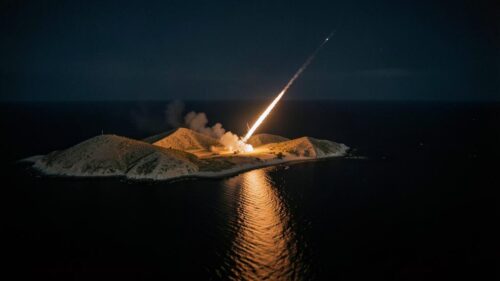
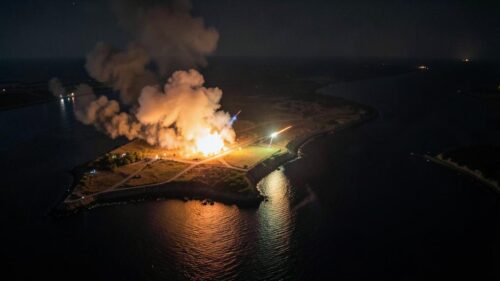
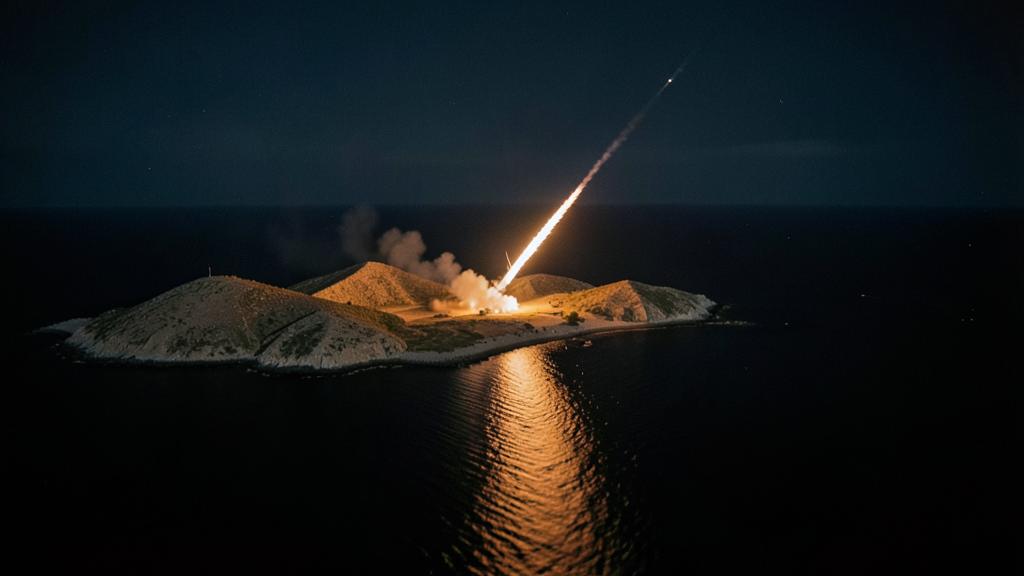
President Donald Trump confirmed on Friday that the US carried out fresh limited strikes on Iran, with the latest targets including Iranian air-defence systems. Tasnim reported that two missiles struck Qeshm Island. Trump nevertheless told reporters that the US is not at war with Iran, claimed that nobody had been hurt or killed in five months and said Washington had already made significant progress in dealing with Tehran, including extracting more oil than it did before the conflict.
Strikes are meant to hurt, not to ignite
The new attacks on air defences are significant because they attack the systems Iran would use to intercept US aircraft and missiles. By hitting those sites, the US makes any future air operation more dangerous for Tehran while leaving open Trump’s claim that the campaign remains limited.
That claim is central to how the US is presenting the confrontation. Trump’s assertion that five months of military action produced no American or Iranian casualties is a political statement, not an independently verified figure, but it allows the administration to describe every new strike as a continuation of an existing operation rather than the start of a new one. The simultaneous claim about extracting more oil positions economic pressure as part of the military campaign.
Iran has not accepted that framing. In the same period, Tehran has warned Washington that it will attack without geographical limits and said its armed forces are stronger now than when the war began in February. An Iranian Army spokesperson said they could strike US bases outside the Middle East. That converts the US-Iran dispute from a regional confrontation into what Tehran presents as a hemispheric threat.
Tehran answers with seven conditions
Even as the missiles flew, Iran sent a nuclear proposal carrying seven conditions. The exact terms have not been disclosed in the reports, but their existence shows Tehran trying to convert a military standoff into a negotiated endpoint rather than simply waiting to absorb punishment.
The diplomatic track remains active. Tehran is weighing a mediator’s proposals, and Qatar’s Prime Minister Sheikh Mohammed bin Abdulrahman Al-Thani confirmed that mediation continues and expressed confidence that a deal remains possible. The US-Iran conflict therefore has simultaneous negotiations, military strikes, naval confrontations and a rewards programme rather than a single clear direction.
At the same time, Iran has travelled to Moscow. Security chief Mohsen Rezaei met Vladimir Putin with a message from Mojtaba Khamenei while Tehran rejected talks with the US. The trip suggests Tehran wants a great-power backstop even as other channels remain open.
Warnings, Hormuz and a trip to Moscow
Iran’s warning that it can strike US bases outside the Middle East is matched on the water by the Strait of Hormuz. Iran reported fresh maritime incidents in which two oil tankers and a tugboat caught fire after allegedly trying to use an unauthorised route. Even without proof of intent, those incidents are strategically potent: the strait controls a major share of the world’s seaborne oil traffic, so any disruption there draws attention far beyond the Persian Gulf.
The contrast inside Iran’s diplomacy is also telling. It rejects direct talks while weighing a mediator’s proposals, and its army claims to be stronger than at the start of the war while asking Putin to carry Khamenei’s message. These positions are not necessarily contradictory. Tehran can present negotiations as resistance because it continues to extract concessions and attention, while presenting Moscow as insurance if Washington refuses to deal.
The price and scope of Washington’s pressure
The US is now attacking the nuclear question from another angle. The State Department’s Rewards for Justice programme, through US Central Command, offered up to $20 million and possible relocation for information about Iran’s nuclear facilities, equipment, personnel, scientists, materials and movements. The move followed IAEA enrichment concerns and is designed to turn insiders, smugglers and employees into potential sources.
The counterpoint is that neither side appears committed to an immediate collapse. Trump said after the midterms that he prefers not to destroy Iran, although he added that he may have to. Qatar’s prime minister expressed confidence in a possible deal, and Trump’s own words leave room for a negotiated exit.
The administration’s problem is that its pressure instruments point in different directions. Limited strikes and a $20 million intelligence bounty escalate the costs of Tehran’s nuclear programme, while Trump’s no-war framing and post-midterm comments attempt to keep the same operation politically manageable. Iran’s seven-condition proposal, Hormuz incidents, regional threats and Moscow trip all answer that pressure without surrendering.
The concrete question is which side moves first: whether Tehran accepts portions of the mediator’s plan, whether the bounty produces usable intelligence, or whether the next incident in the Strait of Hormuz becomes the case both sides’ military threats are judged against.
Reporting from
About The Author