Al-Nassr vs Al-Hilal: Rivalry, History, and the Battle for Saudi Dominance

The Epic Showdown: Al-Nassr vs Al-Hilal Rivalry Explained
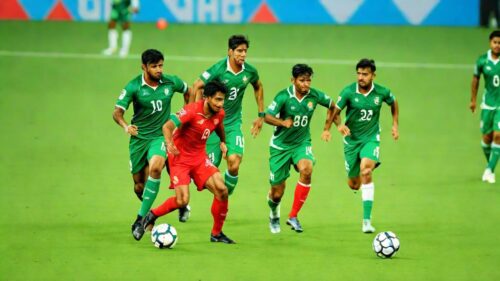
Few matchups in modern football carry the weight, history, and intensity of Al-Nassr vs Al-Hilal. This fixture transcends a mere league match; it is a cultural battle, a clash of titans that defines Saudi Arabian football fervor. When these two Riyadh-based powerhouses meet, the stakes are incredibly high, drawing massive domestic attention and international viewership. Understanding the dynamics of this rivalry requires looking beyond the current season’s standings and delving into the club histories, star players, and the sheer passion of the fanbase.
Understanding the Magnitude of the Rivalry
The rivalry between Al-Nassr and Al-Hilal is arguably the most significant in the Kingdom’s football landscape. Both clubs boast massive fan bases, enormous trophy cabinets, and consistent participation in Asia’s premier club competitions. They are perennial contenders, always challenging for the pinnacle of Saudi football dominance. The intensity isn’t just about winning points; it’s about supremacy, bragging rights within the city, and regional bragging rights on the national stage.
A History Forged in Glory
While the modern iterations of the rivalry are fiercely competitive, both clubs have deep roots in the region’s sporting culture. They have amassed countless trophies across domestic fronts—League titles, King’s Cup victories—cementing their status as giants. Every head-to-head fixture is scrutinized for historical context, making any result feel like a chapter in a larger, epic saga.
Key Factors Fueling the Intensity
What makes every Al-Nassr vs Al-Hilal fixture so electric? Several interconnected factors contribute to the volatile atmosphere:
Star Power and Global Appeal
Both clubs have historically attracted—and continue to attract—global footballing talent. The presence of superstar players from diverse national backgrounds elevates the quality and visibility of these matches significantly. These international stars compete for silverware and individual accolades, placing immense pressure on the teams and heightening the emotional investment of the local supporters.
The Battle for Supremacy
The pursuit of local dominance remains the primary fuel. Winning the league title is paramount, but beating the fiercest rival is the metric by which legends are often measured. These matches often dictate the narrative of an entire season.
Tactical Showdowns: What to Expect
From a tactical standpoint, matches between the two sides are rarely predictable. Both teams employ high-quality, sophisticated tactics. Al-Hilal is often praised for its tactical discipline and strong organizational structure, while Al-Nassr frequently showcases flair, explosive attacking sequences, and star power deployment. The midfield battles are often intense, serving as the critical turning point in the match.
Defensive Solidity vs. Attacking Flair
Fans often debate which philosophy reigns supreme when the two meet. Does one side prioritize rock-solid defense, limiting space for creativity? Or does the attacking spectacle overpower tactical caution? The answer usually lies in which team executes their game plan better on the day, often under immense pressure.
The Modern Context: AFC Ambitions
Beyond the domestic rivalry, both clubs share ambitions on the continental stage, particularly in the AFC Champions League (or its successor tournaments). Their performance in Asia elevates their status, turning the Saudi League encounter into a preview of continental clashes. Success in Asia validates their domestic dominance, making the head-to-head fixture a proxy war for continental supremacy as well.
Fan Culture and Atmosphere
The atmosphere surrounding an Al-Nassr vs Al-Hilal game is legendary. Stadiums are transformed into pulsating cauldrons of noise, color, and fervent support. It’s a spectacle for the senses, reflecting the deep emotional investment that football represents for millions in the region. This passionate support structure elevates the contest from a game to an almost ritualistic event.
Tips for Following the Rivalry
For newcomers or casual observers, understanding the importance of recent league form, international player availability, and the historical ‘six-point games’ (where a single match can determine the league leader) is key to appreciating the depth of this ongoing saga. Keep an eye on the fixtures schedule, as every encounter promises drama.
Conclusion: More Than Just a Match
In summation, the rivalry between Al-Nassr and Al-Hilal is a microcosm of Saudi football’s passion, ambition, and growing professionalization. It is a story of sustained rivalry, tactical evolution, and star-studded drama played out week after week. When these two giants collide, the world of football pays attention, solidifying their status as the benchmark for elite competition.
The Build-Up: Pre-Match Theatre and Media Narrative
The intensity surrounding an Al-Nassr vs Al-Hilal match begins long before kickoff. The build-up is a full-fledged theatrical event, meticulously curated by media outlets, fan pages, and the clubs themselves. The media narratives often focus intensely on psychological warfare—examining perceived slights, recent tactical shortcomings, or the individual form of key players. These pre-match build-ups are as much a part of the drama as the 90 minutes on the pitch, generating a constant buzz and building anticipation that transcends mere sports coverage.
Teams often use this time to send subtle, yet potent, messages to the opposition. Training ground appearances, cryptic quotes from coaches, and the selection of key match-day personnel are all interpreted by the public through the prism of rivalry. Analyzing these narratives—the ‘man-marking’ of stars, the emphasis on ‘mental fortitude’—offers a fascinating glimpse into the modern sporting spectacle, proving that the war for bragging rights is waged with words as much as it is won with goals.
The Legacy on Saudi Football Development
The constant battle between Al-Nassr and Al-Hilal has a profound, positive ripple effect across the entire Saudi Arabian football ecosystem. Their commitment to fielding world-class squads forces other clubs and the national team to raise their standards commensurately. This gravitational pull of elite competition acts as an unintentional catalyst for development. Young local talent, knowing that their potential employers are vying for spots in these two behemoths, are motivated to train harder and perform at higher levels.
Furthermore, the success of these clubs on the global stage acts as a beacon, improving the overall visibility and commercial viability of the Saudi Professional League. When stars from both Al-Nassr and Al-Hilal shine in Asia or in international exhibition matches, it raises the profile of the league itself, attracting better investment and greater spectator interest from around the world. The rivalry, therefore, is not just about two teams; it is a primary engine driving the professionalism and global standing of Saudi football.
Deep Dive into Fan Engagement and Tribalism
Understanding the fanbase is key to understanding the rivalry. Support for these clubs often develops deep tribal or almost familial ties, making any loss feel like a personal defeat. This level of devotion manifests in incredibly organized fan culture. Beyond simply attending matches, supporters engage in elaborate displays of color, music, choreography, and chanting that can last for hours.
The fan engagement models are highly sophisticated. These communities utilize social media platforms not just to cheer, but to narrate, analyze, and sometimes, to provoke. Analyzing the dominant narratives on platforms like X (formerly Twitter) surrounding a fixture can give scholars and writers a clearer picture of the emotional bandwidth of the fanbase. This constant, passionate discourse means that the rivalry is perpetually ‘live,’ even between matches, sustaining its cultural relevance far beyond the pitch.
The Evolving Future of the Fixture
As football continues to globalize and commercialize, the Al-Nassr vs Al-Hilal fixture will undoubtedly evolve. Future iterations will see an increasing emphasis on advanced sports analytics, data-driven scouting, and hyper-modern athlete management. The narrative will shift from purely emotional rivalry to one underpinned by scientific superiority. Teams will be expected not just to *feel* dominant, but to *prove* it through statistically superior performance across all metrics—passing accuracy under pressure, expected goals (xG) differential, and rapid recovery times.
For the fans, this means the spectacle will continue to demand adaptability. The emotional weight will merge with the technical sophistication. The future of this showdown promises to be a compelling blend: the timeless, passionate roar of the crowd meeting the cold, hard logic of elite, data-backed modern sport. This ensures that the rivalry remains not just historically significant, but continually relevant for years to come.
About The Author