An Empty Vande Bharat Ran 463 km With Its Coach Brakes Switched Off
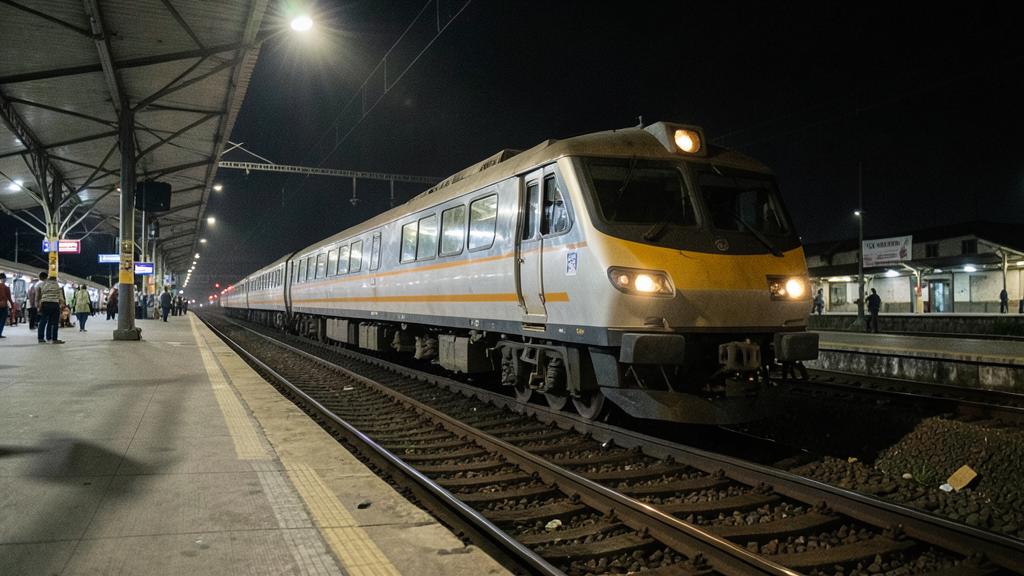
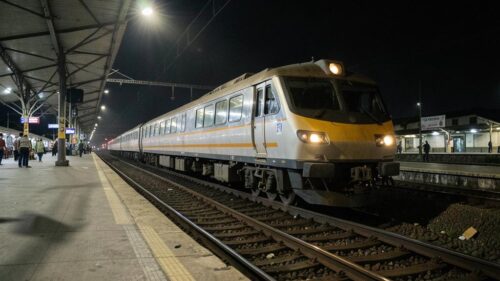
South Eastern Railway has ordered an inquiry after an empty Vande Bharat train travelled 463 km from Jharkhand to Uttar Pradesh with completely isolated coach brakes on October 24. Two loco pilots had repeatedly warned officials about poor power brakes before the rake left the Ranchi division, but the train was dispatched anyway.
The critical defect came to light after the empty Vande Bharat train reached Deen Dayal Upadhyaya station in Uttar Pradesh, where a mandatory technical inspection revealed that the braking systems across every single carriage were disconnected from the central control system.
What happened between Hatia and Deen Dayal Upadhyaya
The empty rake originated from Hatia station under the Ranchi division in Jharkhand. Prior to departure, two loco pilots flagged that the train’s power brake system was not generating required pressure. Despite these explicit alerts from the crew operating the cab, railway staff cleared the train for its 463 km journey across state lines.
The train ran through its entire route across Jharkhand and Uttar Pradesh with ineffective coach brakes. The crew brought the rake into Deen Dayal Upadhyaya station without any carriage-level braking assistance, where mechanical staff discovered that every coach’s braking mechanism had been physically isolated.
How isolated coach brakes alter a train’s stopping power
In routine railway maintenance, isolating a coach brake involves cutting off air pressure or pneumatic control to that specific car’s brake cylinder. If an individual coach develops a pneumatic leak or a stuck valve, technicians temporarily isolate that single carriage so the rest of the train can move safely to a workshop.
For instance, stopping a multi-car Vande Bharat train normally relies on power braking working in tandem with electro-pneumatic brakes distributed across every coach. When every carriage’s braking system is isolated, the train loses the stopping force of its passenger cars entirely. That leaves only the driver cab’s dynamic brake to retard hundreds of tonnes of steel, similar to trying to bring a fully loaded commercial haulage truck to a complete halt using only the tractor unit’s handbrake while every trailer wheel brake remains disconnected.
What the South Eastern Railway probe is examining
The discovery of the non-functional coach brakes at Deen Dayal Upadhyaya station prompted South Eastern Railway to initiate a detailed inquiry into staff negligence and unsafe operational practices. Press Trust of India reported that the investigation is examining why the alerts raised by both loco pilots were overridden at the dispatch point in the Ranchi division.
The probe will pinpoint specific staff failures, evaluate the unsafe braking integration during the rake’s movement, and recommend mandatory procedural safeguards to prevent unbraked trains from being cleared onto active lines in the future.
Sources
- Empty Vande Bharat allowed to run 463km despite 'poor power brake' — The Times of India
- Empty VB With Faulty Brakes Travels 463 km — Deccan Chronicle
- Jharkhand: Probe Launched into Vande Bharat Train’s 463km Journey with Faulty Brakes — The Chenab Times
About The Author