Discover the Serene Charms of Poonch Valley: A Himalayan Retreat
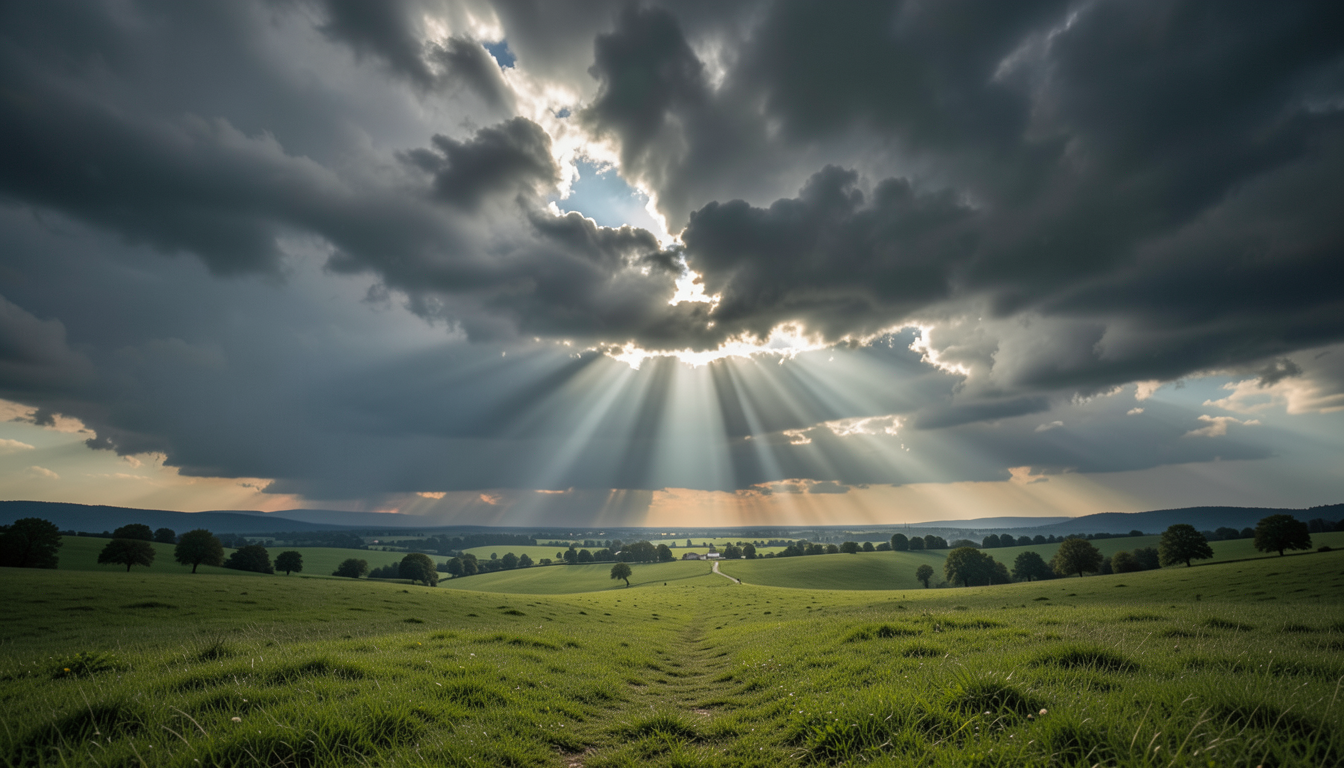
Discovering the Allure of Poonch Valley: A Journey into Himalayan Serenity
For travelers seeking an escape from the incessant hustle of modern life, the majestic Poonch Valley awaits. Nestled amidst the dramatic folds of the Pir Panjal and Shivalik ranges, Poonch offers a captivating blend of pristine natural beauty, deep historical resonance, and quiet, untamed serenity. Unlike overly commercialized tourist spots, this region preserves a raw, authentic Himalayan spirit that speaks to the soul. If your wanderlust pulls you toward breathtaking mountain vistas paired with untold stories of resilience, then Poonch Valley should top your travel itinerary.
The journey to understanding Poonch is a journey backward—to tales of ancient trade routes, stoic fortresses, and pastoral mountain life. It’s a place where the winding roads seem to whisper secrets of empires past, while the air itself carries the crisp, invigorating scent of pine and wild blossoms.
Geographical Significance and Historical Footprints
Geographically, Poonch serves as a vital corridor connecting major Himalayan regions. It is characterized by dramatic elevation changes, verdant valleys nurtured by crystal-clear rivers, and commanding views of snow-capped peaks in the distance. Historically, the region has been a crossroads of culture, making it a tapestry woven with threads from various civilizations.
A Crossroads of Trade and Conflict
The strategic location of the Poonch Valley ensured its importance throughout history. It has seen armies march, caravans pass, and cultural exchange flourish. This history is not confined to dusty museum exhibits; it is embedded in the very architecture and the local customs of its people. Exploring this history gives depth to the natural splendor, transforming a simple scenic drive into an immersive time machine.
The Landscape: A Symphony of Greens and Browns
The landscape itself is breathtakingly varied. You might traverse deep river gorges one day, and the next, find yourself in rolling meadows dotted with grazing sheep. The biodiversity is remarkable, supporting everything from dense temperate forests to high-altitude alpine meadows. This ecological richness makes responsible, mindful travel paramount.
Unmissable Destinations Within Poonch
While the entire valley invites exploration, certain sites particularly highlight its unique charm and history. These spots offer varying levels of adventure, catering to every type of traveler.
Poonch Fort and Colonial Architecture
The ancient Poonch Fort stands as a powerful testament to the region’s military significance. Wandering its weathered stone walls allows one to visualize the life of the soldiers and rulers who once commanded this crucial gateway. Nearby colonial buildings add a touch of faded grandeur, making the area perfect for photography enthusiasts looking to blend history with dramatic mountain backdrops.
Trekking Trails to Hidden Views
For the adventure seeker, the trekking routes radiating from the main valley floor are unparalleled. These paths lead to viewpoints that offer panoramic views that can genuinely take your breath away. Whether tackling a moderately challenging day hike through dense woods or aiming for a multi-day trek into the higher reaches, the reward is always a view that redefines ‘epic.’
Planning Your Visit: When is Poonch Calling You?
Timing your visit is crucial for maximizing your experience in the Poonch Valley. The best time to visit generally spans from late March to early June, when the spring blooms revitalize the meadows and the weather is pleasantly warm. Conversely, September to November offers spectacular autumn hues across the valleys, providing stunning foliage photography opportunities. The deep winter months, while offering pristine snowfall, can present significant logistical challenges.
Activities Beyond the Sightseeing
Traveling through Poonch isn’t just about looking; it’s about experiencing. The local culture is deeply woven into daily life, offering rich interaction points for visitors.
Embracing Local Culture
Engage with the local communities. Sharing a cup of authentic local tea, participating in a village festival (if timing permits), or simply talking with the residents about their lives in the mountains offers the most profound travel souvenirs. The warmth and hospitality of the people define the true heart of the Poonch Valley.
Wildlife Spotting and Birdwatching
The protected pockets of the valley are sanctuaries for various bird species and smaller mammals. Hiring a local guide who knows the ecological patterns of the region significantly enhances the chances of wildlife sightings, turning a simple walk into a nature documentary experience.
In conclusion, while the bustle of metropolitan destinations captures headlines, the quiet, magnificent majesty of Poonch Valley offers something far rarer: a genuine connection with untamed nature and enduring human history. Plan your journey thoughtfully, embrace the adventure, and allow the serene spirit of this Himalayan gem to rejuvenate your soul. This is a destination that doesn’t just visit; it transforms you.
Culinary Delights: Tasting the Taste of the Himalayas in Poonch
A journey through a region as vibrant as Poonch is incomplete without immersing oneself in its unique culinary landscape. The cuisine here is a beautiful reflection of its geographical isolation and the resourcefulness of its inhabitants—hearty, warming, and deeply satisfying. The ingredients are hyper-local, sourced from the fertile valleys and terraced farms, giving every meal an authentic taste of the mountains.
Visitors should keep an eye out for staples that define the local diet. These dishes are perfect for refueling after a long day of trekking or exploring ancient forts. They are designed to nourish the body against the cool mountain climate.
Must-Try Local Specialties
- Siddu: This steamed, wheat-based bread, often stuffed with savory fillings like minced meat or vegetables, is a staple comfort food. It is traditionally prepared and enjoyed alongside local dairy products or pungent pickles.
- Mahindi: A hearty preparation involving local grains or lentils, Mahindi provides sustained energy. Its simple, wholesome nature speaks to the resilience of mountain life.
- Kahwa and Local Dairy: Never underestimate the power of a local cup of Kahwa (a spiced herbal tea). Paired with fresh, creamy curd or homemade *ghee* (clarified butter), these items are the perfect accompaniment to a chilly Himalayan morning.
- Seasonal Fruits and Vegetables: Depending on the season, the valley bursts with the bounty of apples, peaches, and unique wild greens. Sampling these fresh, unadulterated flavors is a crucial part of the Poonch experience.
Exploring local tea stalls in the main bazaars not only provides refreshment but also offers invaluable tips from the people who live by the rhythm of the seasons. Haggling gently for spices or purchasing local handicrafts allows the traveler to contribute directly to the local economy, making the trip more meaningful.
Sustainable Travel and Respecting the Local Ecosystem
The immense natural beauty of Poonch Valley comes with a profound responsibility. As travelers, we must adopt a philosophy of sustainable tourism. This means engaging with the destination thoughtfully, ensuring that our presence leaves behind nothing but footprints, and taking nothing but memories.
Guidelines for Mindful Exploration
- Waste Management: Always carry out everything you carry in. Pack out all non-biodegradable waste, especially plastics.
- Supporting Local Economies: Prioritize staying in locally owned guesthouses and dining at small, family-run establishments. This ensures that the tourism revenue directly benefits the community preserving the culture.
- Respecting Wildlife Corridors: When trekking, remain on marked paths. Never feed wild animals, as this alters their natural foraging behaviors and poses health risks to both humans and fauna.
- Cultural Sensitivity: Dress modestly, especially when visiting religious sites or villages. Always ask for permission before photographing people, particularly elders or those engaged in private rituals.
Adopting these principles transforms the traveler from a mere visitor into a respectful guest. By doing so, the pristine allure of Poonch Valley remains intact for generations of explorers to come.
Ultimately, Poonch Valley beckons the soul-seeker. It is a place that demands patience, rewards curiosity, and promises rejuvenation far beyond the reach of any city map. Prepare to slow down, breathe deeply, and let the ancient rhythm of the Himalayas recalibrate your spirit.
About The Author