
Decoding Kullu Weather: A Traveler’s Definitive Guide
Planning a journey to the breathtaking valley of Kullu in Himachal Pradesh requires more than just dreaming of pine-scented mornings and roaring Beas River views; it demands understanding the nuances of the Kullu weather. This stunning Himalayan destination, renowned for its apple orchards, vibrant culture, and adrenaline-pumping adventure sports, boasts a climate that changes dramatically with the seasons. Whether you are an intrepid trekker aiming for deep snow adventures or a leisure traveler seeking gentle riverside strolls, knowing what to expect from the local weather patterns is crucial for maximizing your visit and ensuring safety.
Kullu’s geography, nestled deep within the lower reaches of the mighty Himalayas, means it experiences a diverse microclimate influenced by altitude, river proximity, and monsoon patterns. Unlike plains, the weather here is dynamic, demanding careful preparation. This comprehensive guide will break down the climate across the year so you can pack perfectly, no matter when your adventure calls.
Understanding the Climate Drivers
To truly grasp the best time to visit, one must first understand the forces that shape the local climate. The confluence of the Himalayan range acting as a massive climatic shield, coupled with the influence of the Indian monsoon system, results in distinct seasonal variations. The transition from temperate, lush greenery to cold, crystalline winters is dramatic, making accurate weather prediction your most important travel tool.
Seasonal Shifts: What Drives the Change?
The local weather hinges on three primary factors: the subtropical influence from the plains, the cool, moist influence from the monsoon winds, and the intense cold pocket created by the high altitude snowlines. This interaction creates the four major seasons—Spring, Summer, Autumn, and Winter—each offering a completely different experience.
Seasonal Deep Dive: What to Expect When
? Spring (March to May): The Awakening Season
Spring is arguably one of the most magical times to visit. As the meltwater feeds the rivers, the valley awakens with vibrant hues. The Kullu weather during this period is generally mild, characterized by pleasantly warm days and cool, crisp nights. Temperatures are climbing steadily, making it ideal for acclimatization and moderate trekking. Expect temperatures to range between 15°C to 25°C, though sudden drops can occur near higher passes. The air smells fresh, mingling the scent of blooming flowers with pine sap. This is the perfect time for apple blossom viewing and leisurely explorations.
?? Monsoon (June to August): Greenery and Caution
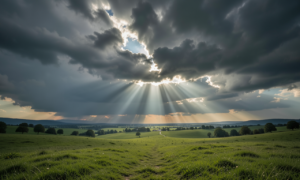
This period brings the torrential rains of the Indian monsoon. While the landscape transforms into an almost unbelievable emerald carpet, the weather presents challenges. Expect frequent heavy rainfall, cloudy skies, and the risk of occasional landslides or river swell. Trekking visibility can be poor, and some high-altitude routes may be temporarily suspended due to slippery conditions or flash floods. If you are planning hardcore mountaineering, consider alternative destinations during these months; for cultural immersion in the lower Kullu valley, it remains beautiful, provided you are prepared for wet conditions.
? Autumn (September to November): Clarity and Color
For many experts, Autumn marks the absolute peak of visiting Kullu. Once the monsoon subsides, the sky clears to an impossibly brilliant blue, and the air becomes crisp and invigorating. The vibrant fall colors paint the deodar and oak forests gold and crimson. Daytime temperatures are wonderfully moderate, hovering between 10°C and 20°C. Rainfall significantly decreases, gifting travelers clear views of the surrounding Pir Panjal ranges. This stable, clear weather makes it the prime season for photography, sightseeing, and enjoying the local Himachali cuisine outdoors.
?? Winter (December to February): Snowfall Wonderland
Winter in Kullu is breathtakingly beautiful but necessitates extreme caution. The Kullu weather shifts dramatically, bringing deep cold and frequent snowfall, especially at higher elevations. Daytime temperatures might creep up to 5°C, but nighttime lows often plummet below freezing, sometimes dropping below -5°C. If you are not equipped for heavy snow and sub-zero temperatures, mobility can be severely restricted. This season is perfect for those seeking a pristine, snowy Himalayan experience, but always check road opening status before attempting any journey.
Practical Tips for Navigating Kullu’s Climate
? What to Pack: Layering is Key
The golden rule of dressing for Kullu is layering. Never rely on a single type of clothing. Always carry:
- Base Layers: Thermals (especially for winter).
- Mid-Layers: Fleece jackets, wool sweaters.
- Outer Shell: A waterproof and windproof jacket (essential year-round, but critical in monsoon/winter).
- Footwear: Waterproof, ankle-supporting trekking boots.
- Accessories: Woolen gloves, a warm cap, and sunglasses (for harsh sun glare or snow blindness).
?? Summary: Choosing Your Ideal Travel Window
While every season has its charm, the sweet spot balances pleasant weather with accessible routes. For a first-time, well-rounded trip, late September through November offers the most reliable combination of sunshine, moderate temperatures, and vibrant scenery. If your priority is adventure sports, Spring is excellent; if it’s photography of dense greenery, wait until post-monsoon Autumn.
In conclusion, understanding the rhythm of the Kullu weather transforms a simple trip into a perfectly timed Himalayan odyssey. Respect the mountain’s power, prepare for its changes, and you will be rewarded with memories as vast and stunning as the Himalayas themselves.