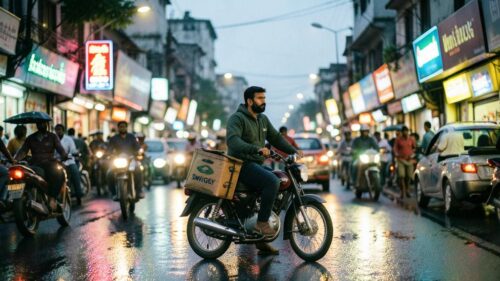
Your Ultimate Guide to Delhi Weather: Seasonal Trends and What to Expect

Navigating the Varied Climate: Your Guide to Delhi Weather
Understanding the Delhi weather is crucial for any visitor or resident, as the city experiences dramatic shifts throughout the year. Far from having a uniform climate, Delhi’s seasonal variations range from scorching dry heat to temperate autumns, punctuated by intense monsoon rains. Whether you are planning a business trip, a family vacation, or just moving to the capital, knowing what to expect in terms of temperature, humidity, and air quality will ensure a much smoother and more enjoyable experience. This comprehensive guide breaks down the distinct meteorological patterns that define life in the National Capital Region.
Understanding Delhi’s Four Seasons
Delhi’s climate is subtropical, meaning it exhibits a wide range of temperature fluctuations depending on the time of year. Generally, the year can be broken down into four distinct meteorological zones, each requiring different preparations.
Summer (March to June): The Heat Factor
If you are planning a visit during the late spring and early summer months, be prepared for intense heat. Temperatures during this period are notoriously high, often pushing past the 40°C mark. The air is extremely dry, contributing to dehydration and heat exhaustion risks. Humidity levels remain relatively low compared to the monsoon period, but the sheer intensity of the heat makes outdoor activities challenging, especially during peak daylight hours.
Traveler Tip: Hydration is your top priority. Carry reusable water bottles, wear light, breathable, and loose-fitting clothing (like cotton), and reschedule outdoor sightseeing for early mornings or late evenings.
Monsoon Season (July to September): The Rainy Embrace
The monsoon season brings much-needed relief from the scorching heat. While the heavy downpours can sometimes disrupt plans, the greenery that follows is breathtaking. The weather becomes significantly cooler and more humid. The rainfall is necessary for replenishing the region’s water table and rejuvenating the surrounding landscape.
What to Pack: Waterproof footwear, a light raincoat or umbrella, and quick-dry clothing are essentials. Be mindful that sudden thunderstorms are common, so always keep an eye on local weather alerts.
Autumn/Post-Monsoon (October to November): The Transition Period
This period is arguably one of the most pleasant times to visit. As the monsoons retreat, the skies clear, and the residual heat begins to soften. October sees spectacular colors in the foliage and a return to moderate temperatures. November marks the gradual cool-down, providing comfortable weather perfect for sightseeing before the cooler winter sets in.
Winter (December to February): Cool and Crisp
Delhi winters are characterized by cool, dry conditions. Daytime temperatures can be quite pleasant, especially after a cold start. However, mornings and nights bring noticeable dips in temperature, sometimes requiring extra layers of clothing. This temperate comfort makes it ideal for leisurely exploration and cultural immersion.
Safety Note: While comfortable, fog can be a major issue during this time, significantly reducing visibility and impacting air quality, making travel via road cautious.
The Unseen Factor: Air Quality Index (AQI)
When discussing Delhi weather, it is impossible to ignore the Air Quality Index (AQI). Pollution levels are highly correlated with meteorological conditions. During dry, stable periods (especially late autumn and winter), pollutants tend to accumulate near the ground due to temperature inversions, leading to poor air quality. This is a health consideration that often surpasses temperature comfort for visitors.
Managing Pollution: If the AQI is categorized as ‘Poor’ or ‘Severe,’ minimize prolonged outdoor exertion, keep face masks readily available, and check the forecast religiously. Local advisories regarding pollution warnings are your best resource.
Practical Tips for Experiencing Delhi Weather
Packing Essentials Checklist
To generalize your packing list, think layers. A light scarf or shawl is versatile—it can block dust, provide warmth in the evening, or shield you from the sun. Always carry sunglasses and lip balm, regardless of the season. Additionally, a portable air purifier or N95 mask is highly recommended for respiratory comfort.
Best Times to Visit Based on Weather
- Pleasant Comfort: October to November (Post-Monsoon/Early Winter).
- Coolest Temps: December to February (If you don’t mind the chill).
- Avoid (Extreme Heat): Mid-March through May (Unless you prefer intense heat).
In conclusion, the key to mastering Delhi’s climate is preparation. By understanding the seasonal patterns—from the wet vitality of the monsoon to the crisp chill of winter, and always factoring in the atmospheric health via the AQI—you can adjust your itineraries, pack smarter, and truly immerse yourself in the vibrant life of the city.
Health and Wellness Advisories: Staying Well Through Delhi’s Climate Shifts
Beyond simply packing the right clothes, preparing your health regimen is vital for a comfortable visit to Delhi. The rapid fluctuations in humidity, temperature, and particulate matter (PM2.5) can strain the body. Understanding these potential health pitfalls allows for proactive care.
Managing Dehydration and Heat Stress
During the intense summer months, dehydration can set in quickly, even if you don’t feel overtly thirsty. It’s crucial to supplement water intake with electrolytes. Sports drinks (in moderation) or simple oral rehydration solutions (ORS) mixed with clean water are recommended. Avoid excessive consumption of sugary drinks, which can sometimes exacerbate dehydration. If experiencing dizziness, severe headache, or muscle cramps, immediate rest in a cool, shaded area is necessary.
Respiratory Care During Pollution Spikes
When the AQI spikes, your respiratory system works overtime. For individuals with pre-existing conditions like asthma or COPD, always carry rescue inhalers and consult your doctor for specific advice on managing high-pollution days. Wearing an N95 mask is superior to cloth masks as it filters out a higher percentage of particulate matter. Furthermore, taking deep breaths of fresh air when you are indoors, even if it means opening windows slightly (when pollution levels permit), can help keep your lungs active.
Skin and Eye Protection Protocols
The combination of intense dry heat and pollution is harsh on skin. Use a broad-spectrum sunscreen (SPF 30+) daily, even on cloudy days, as UV rays penetrate haze. Keep moisturizing lip balm on hand. Similarly, polarized sunglasses are highly recommended; they protect against harsh glare reflecting off dusty or wet surfaces, reducing eye strain.
Transportation and Mobility Guidelines
How you get around Delhi is heavily influenced by the weather. A seamless itinerary requires anticipating mobility disruptions.
Navigating Fog and Low Visibility
During winter fog episodes, road travel can become hazardous. Visibility can drop to mere feet, causing significant delays and making auto-rickshaw or car journeys stressful. If travel is unavoidable during dense fog, use ride-sharing apps that provide real-time updates and keep your phone charged, as navigation signals can be affected. Plan for buffer time—assume standard travel times could easily double.
Managing Monsoon Traffic Congestion
Monsoon rain doesn’t just affect the air; it impacts the roads. Poor drainage can create unexpected waterlogging, making even short distances unpredictable. Always verify the route status before leaving your accommodation. Public transport might experience slowdowns due to reduced visibility and driver caution, so build extra contingency time into your daily schedule.
By integrating health and logistical preparation into your travel planning, your visit to the dynamic metropolis of Delhi becomes not just a trip, but a well-managed adventure. Remember, the best weather advice is always tailored to the specific day, so check multiple sources—local news, dedicated weather apps, and reliable travel blogs—for the most current picture of the NCR.
About The Author