- Yuva Dharam Sansad 2026 is a national youth convention held from January 12 to 14, 2026, focused on ethical leadership and civic duty.
- The event targets delegates aged 18 to 35, gathering 10,000 physical attendees and over 500,000 virtual participants worldwide.
- Core discussion themes include ethical artificial intelligence, mental wellness, cultural preservation, and environmental sustainability.
- The summit culminates in the Yuva Sankalp Patra, a resolution charter directing community service projects in local districts over 12 months.
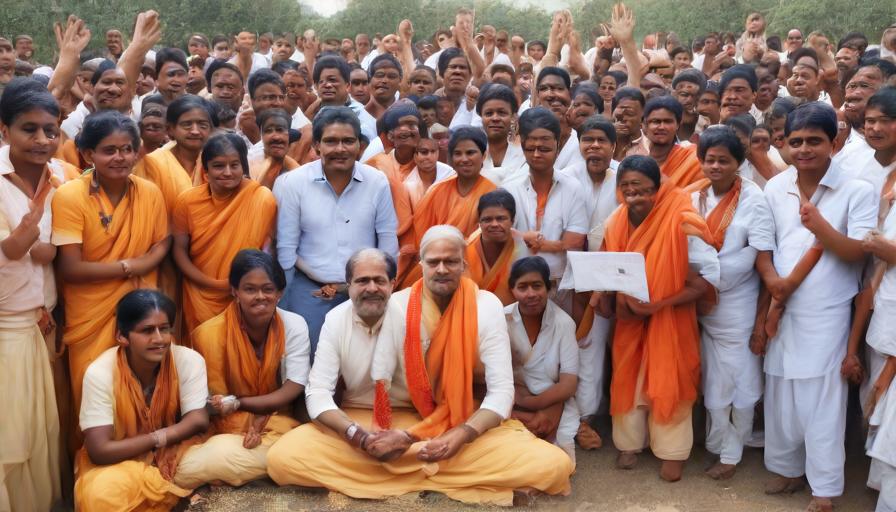
Yuva Dharam Sansad 2026 is a major national youth convention in India that brings together young leaders, spiritual thinkers, educators, and social reformers to discuss ethical governance, cultural preservation, and youth empowerment. Organized around National Youth Day in January 2026, the summit offers a structured forum for over 10,000 delegates aged 18 to 35 to address pressing socio-economic challenges through the lens of ancient wisdom and modern innovation. The central mission of #YuvaDharamSansad2026 is to mobilize youth energy toward nation-building, character development, and social harmony.
What is the Significance of Yuva Dharam Sansad 2026?
The term “Yuva Dharam Sansad” translates to “Youth Parliament of Righteous Duty.” Unlike political assemblies, this platform focuses on moral responsibilities, character building, and social service. The 2026 edition coincides with critical national milestones, emphasizing the role of young citizens in fulfilling the vision of “Viksit Bharat” (Developed India) by 2047.
Historically, youth conventions in India have drawn inspiration from Swami Vivekananda, who emphasized that spiritual vitality and physical vigor are essential for national progress. The 2026 summit serves as a bridge between traditional Indian philosophy (Sanatana Dharma and universal values) and contemporary global challenges such as climate change, digital wellness, and ethical leadership.
What Is the Historical Context of Youth Spiritual Assemblies in India?
The concept of convening youth to discuss duty and spirituality has deep roots in modern Indian history. Since the late 19th century, leaders like Swami Vivekananda and Maharishi Dayanand Saraswati emphasized that youth must lead social reform. Yuva Dharam Sansad builds on this tradition by modernizing the discourse for 21st-century challenges. Previous iterations of youth parliaments in India have successfully mobilized thousands of young people for blood donation drives, disaster relief operations, and educational campaigns across rural districts. The 2026 assembly marks a major expansion in scale, integrating digital platforms to ensure broader accessibility for NRI youth and international spiritual seekers interested in Indian culture.
Key Objectives and Themes of #YuvaDharamSansad2026
The event is structured around several core thematic pillars designed to foster holistic development among participants. The table below outlines the primary focus areas and their intended practical outcomes:
| Theme Area | Core Focus | Target Outcome |
|---|---|---|
| Ethical Leadership | Integrating integrity into business, politics, and technology | Creation of youth leadership networks |
| Mental & Physical Health | Yoga, meditation, and balance in a hyper-connected world | Action plans for campus wellness initiatives |
| Cultural Heritage | Preserving indigenous knowledge systems and languages | Digital archives and youth-led awareness campaigns |
| Sustainable Living | Environmental stewardship rooted in traditional eco-philosophy | Community-level tree planting and conservation drives |
What Topics Will Be Discussed at the Summit?
Delegates at #YuvaDharamSansad2026 will participate in keynotes, panel discussions, and interactive workshops across three days. Key discussion tracks include:
- Ethics in Artificial Intelligence and Technology: Exploring how moral principles can guide technological development and mitigate risks like digital addiction and misinformation.
- Youth Against Social Evils: Formulating strategies to combat substance abuse, gender-based discrimination, and social fragmentation in local communities.
- Economic Empowerment and Entrepreneurship: Encouraging ethical business practices, self-reliance (Atmanirbhar Bharat), and rural innovation.
- Inter-Faith Harmony and Universal Brotherhood: Promoting mutual respect and constructive dialogue among diverse cultural and social groups.
Who Can Attend Yuva Dharam Sansad 2026?
Participation in Yuva Dharam Sansad 2026 is open to individuals who meet specific criteria aimed at ensuring constructive dialogue and actionable results. While the summit primarily targets youth, it also includes mentorship sessions with established spiritual leaders and scholars.
- Age Eligibility: Primary delegate positions are reserved for individuals aged 18 to 35 years.
- Background: Open to university students, young researchers, social entrepreneurs, community volunteers, and cultural activists.
- Selection Process: Applicants submit an online application detailing their past social service or academic contributions, followed by a local or regional screening process.
- Observer Status: Educators, journalists, and senior citizens can attend selected plenary sessions as registered observers.
How Does #YuvaDharamSansad2026 Impact Youth Development?
The impact of Yuva Dharam Sansad extends far beyond the duration of the physical conference. By engaging with complex ethical questions, young participants develop critical thinking abilities and a stronger sense of civic duty. Research in youth sociology indicates that structured civic and character education programs increase volunteerism and community leadership by up to 40% among young adults.
Furthermore, the event produces a tangible output document titled the Yuva Sankalp Patra (Youth Resolution Charter). This document summarizes key policy recommendations, youth-led project goals, and community service commitments that delegates pledge to implement in their respective districts over the following 12 months.
Where and When Will Yuva Dharam Sansad 2026 Take Place?
Yuva Dharam Sansad 2026 is scheduled to take place from January 12 to January 14, 2026, aligning directly with National Youth Day celebrations in India. The main venue will feature state-of-the-art convention facilities to accommodate over 10,000 physical attendees, alongside hybrid streaming infrastructure to reach an estimated 500,000 virtual participants globally.
Preparatory regional conventions (Zonal Yuva Sansads) will occur across major Indian cities in late 2025 to select delegate representatives and compile local issue reports for presentation at the main 2026 assembly.
Frequently Asked Questions About Yuva Dharam Sansad 2026
To assist prospective delegates and attendees, the following details provide quick clarity on common logistical and conceptual questions regarding the event.
Frequently Asked Questions
What is the primary purpose of Yuva Dharam Sansad 2026?
The primary purpose of Yuva Dharam Sansad 2026 is to empower youth aged 18–35 by combining moral principles with modern leadership. It provides a platform to address social challenges, mental health, ethical technology, and cultural preservation while contributing to India's long-term development goals.
Who is eligible to participate in #YuvaDharamSansad2026?
Young adults aged 18 to 35 from diverse fields—including students, researchers, social workers, and young professionals—are eligible to apply as delegates. Selection is based on an online application highlighting past civic engagement or social contribution.
When and where will Yuva Dharam Sansad 2026 take place?
Yuva Dharam Sansad 2026 is scheduled for January 12–14, 2026, coinciding with National Youth Day in India. The main convention hosts over 10,000 physical delegates at the central venue, alongside global live streaming for an estimated 500,000 virtual participants worldwide.
What outcome is expected from Yuva Dharam Sansad 2026?
The main outcome is the Yuva Sankalp Patra (Youth Resolution Charter), a comprehensive action plan focusing on community service, mental health support, environmental sustainability, and ethical leadership initiatives to be executed by delegates across their respective home districts over the following year.