Voyager 1 back in contact after 48-hour silence, about 17 days from a full light-day
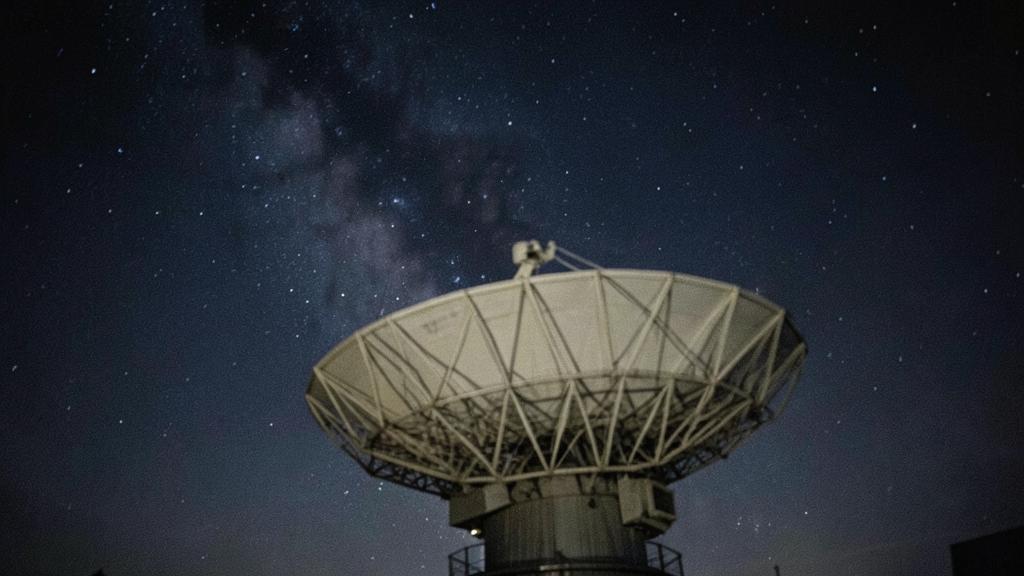
- Voyager 1 missed Deep Space Network sessions on Oct 18 and Oct 19, then went silent for nearly 48 hours before contact was restored.
- NASA engineers replaced three power-hungry devices aboard the 49-year-old probe; the outage followed a months-long power-stretching operation.
- Voyager 1 is 15.79 billion miles, or 25.3 billion km, from Earth and about 17 days from one full light-day.
- At one light-day, radio signals will take about 24 hours for a one-way trip between Earth and Voyager 1.
NASA has restored communications with Voyager 1 after the 49-year-old spacecraft missed two scheduled Deep Space Network sessions on Oct 18 and Oct 19 and then went silent for nearly 48 hours. Engineers are still investigating the cause of the glitch, NASA said.
At 15.79 billion miles, or 25.3 billion km, from Earth, Voyager 1 remains the farthest human-made object in space. It is now only days away from one full light-day, the point where a radio signal would take about 24 hours to travel between Earth and the spacecraft, reports said.
Voyager 1 missed two sessions on Oct 18 and 19
The Deep Space Network did not receive a call from Voyager 1 on either Oct 18 or Oct 19, and before the agency could send repair commands the probe was back in contact. NASA described the episode as a brief communications pause and said it expects more such surprises as the mission ages.
The silence came after the mission team completed a months-long operation to stretch the probe’s remaining power. Engineers then moved to cut power demand. India Today reported that Nasa engineers replaced three power-hungry devices aboard Voyager 1 and restored contact after the 48-hour silence, and that the intervention could preserve its remaining instruments as the probe approaches the light-day mark.
Engineers are protecting what power is left
The power steps are not cosmetic. Voyager 1 is 49 years old and closing on its 50th anniversary in space. Tom’s Hardware reported that the probe is set to hit the historic one-light-day distance in about 17 days, and that it took nearly 50 years to get there.
NASA scientists and engineers have been going through lengths to keep the spacecraft operating for as long as possible. The current crisis was short, but it reached mission control just as the probe crossed a new scale of distance. A full light-day is not just another record for Voyager 1; it changes the rhythm of the mission, because even a one-way radio exchange with Earth will take a full day once that point is reached.
What the distance means for the mission
Voyager 1 became the farthest human-built object from Earth after overtaking the pathfinding Pioneer probes. It has now been breaking distance records for decades. The current mark is 15.79 billion miles, and the upcoming threshold is one light-day, roughly a quarter million times the Earth-Moon distance in communication time.
That scale makes every unexplained silence more expensive in operational terms. The probe was already in interstellar space, where India Today said it is effectively breathing the medium outside the solar system. The recent scare ended with contact restored, but the cause was not explained in the reports. NASA expects more surprises as Voyager 1 moves deeper into territory no other human-made object has reached.
The specific date to watch is the one-light-day crossing, which reports put at about 17 days from the current distance of 15.79 billion miles.
Reporting from
- Farthest human-made object in space loses contact, goes nearly one light-day away from Earth — Interesting Engineering
- Voyager 1 is days away from being 1 light-day from Earth. What does it mean? — India Today
- NASA's Voyager 1 goes silent for 48 hours! What happened to the 49-year-old spacecraft 16 billion miles… — Moneycontrol.com
- NASA’s Voyager 1 Conserves Power, Resolves Brief Communications Pause — NASA Science (.gov)
- Voyager 1 gives controllers the silent treatment — The Register
About The Author