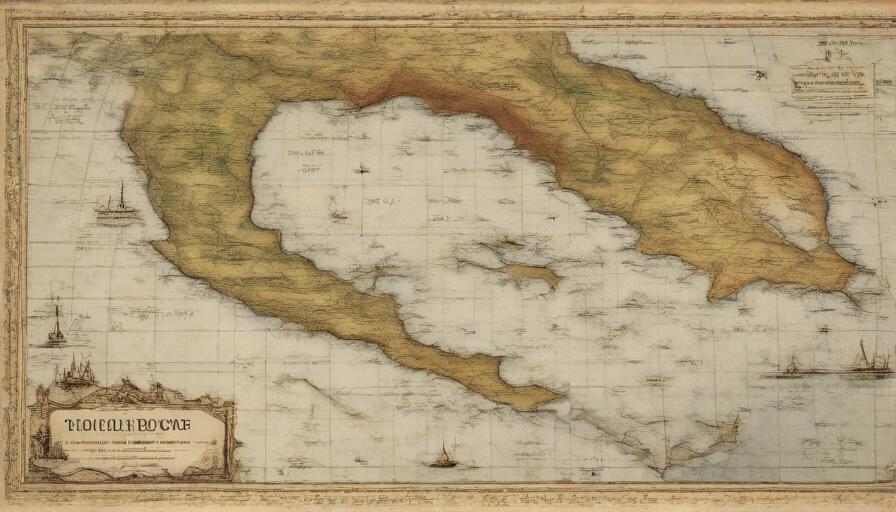
- The West Indies comprises over 7,000 islands, with the Greater Antilles holding more than 80% of the region’s land area.
- Tourism generates roughly 25% of GDP for most West Indian economies, delivering $25 billion in 2019 revenue.
- The region faces severe climate threats: 23 major hurricanes (2000‑2020), 3.2 mm/year sea‑level rise, and 60% coral‑bleaching in 2019.
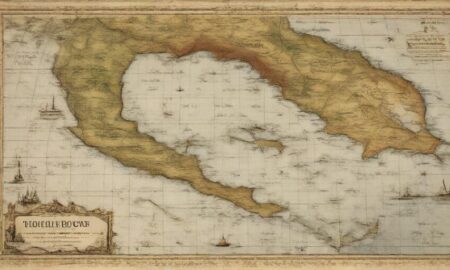
The West Indies is a region of the Caribbean comprising more than 7,000 islands, islets, reefs, and cays. It stretches from the Bahamas in the north to Trinidad and Tobago in the south, and from the Greater Antilles in the west to the Leeward Islands in the east. The term is used today for both geographic and cultural discussions, especially in sport and tourism.
Which nations and territories are part of the West Indies?
The West Indies includes 13 sovereign states—Antigua and Barbuda, Bahamas, Barbados, Cuba, Dominica, Dominican Republic, Grenada, Haiti, Jamaica, Saint Kitts and Nevis, Saint Lucia, Saint Vincent and the Grenadines, and Trinidad and Tobago—plus several overseas territories such as Puerto Rico (U.S.), the British Virgin Islands, the Cayman Islands, and the Dutch constituent countries of Aruba, Curaçao, and Sint Maarten.
How many islands are in the West Indies?
Geographers estimate that the West Indies contains roughly 7,000 individual landforms, but only about 700 are named islands large enough to appear on standard maps. The Greater Antilles—Cuba, Hispaniola, Jamaica, and Puerto Rico—account for more than 80 % of the region’s total land area.
Major island groups in the West Indies
| Group | Key Islands | Number of Islands |
|---|---|---|
| Greater Antilles | Cuba, Hispaniola (Haiti & Dominican Republic), Jamaica, Puerto Rico | ~150 |
| Leeward Islands | Antigua, Barbuda, Saint Kitts, Nevis, US Virgin Islands | ~250 |
| Windward Islands | Saint Lucia, Saint Vincent, Grenada, Dominica | ~120 |
| Bahamas | Andros, Grand Bahama, New Providence | ~700 |
What is the historical significance of the West Indies?
European contact began in 1492 when Christopher Columbus landed on the island now called Hispaniola, marking the start of Spanish colonisation. By the early 1600s, the Dutch, French, and British established plantations that produced sugar, rum, and tobacco, relying heavily on enslaved African labour. The trans‑Atlantic slave trade peaked in the West Indies in the 1760s, with an estimated 1.2 million enslaved people transported to the islands between 1700 and 1807.
When did West Indian nations gain independence?
Between 1962 and 1983, ten former British colonies became independent, beginning with Jamaica and Trinidad & Tobago in 1962 and ending with Saint Kitts and Nevis in 1983. Haiti (1804) and the Dominican Republic (1844) were the first Caribbean nations to achieve full sovereignty.
How important is tourism to the West Indies economy?
Tourism accounts for roughly 25 % of the Gross Domestic Product (GDP) across most West Indian economies. In 2019, the region welcomed 85 million international visitors, generating an estimated US$25 billion in revenue. The Bahamas alone recorded 7.1 million arrivals and a tourism‑related employment rate of 18 %.
What are the leading export products from the West Indies?
- Sugar and molasses (historically dominant, now reduced)
- Bananas (especially from Jamaica, Dominican Republic, and St. Lucia)
- Rum (world‑renowned brands from Barbados, Cuba, and Puerto Rico)
- Petroleum products (significant in Trinidad and Tobago)
- Seafood, especially lobster and conch
What cultural elements define the West Indies?
Music genres such as reggae (Jamaica), calypso (Trinidad), and zouk (French‑speaking islands) have global followings. Cricket, introduced by the British, remains a unifying sport; the West Indies cricket team won the ICC World Cup in 1975 and 1979. Culinary staples include ackee and saltfish (Jamaica), pelau (Trinidad), and callaloo (multiple islands).
Which languages are spoken across the West Indies?
English is official in 13 sovereign states and many territories, while Spanish dominates in Cuba, the Dominican Republic, and Puerto Rico. French is spoken in Haiti, Guadeloupe, Martinique, and French Guiana (though technically part of South America). Dutch is used in Aruba, Curaçao, and Sint Maarten, and many islands also retain Creole languages derived from European and African roots.
How are the West Indies governed today?
Eight of the 13 independent West Indian nations belong to the Caribbean Community (CARICOM), a regional organization that coordinates trade, foreign policy, and disaster response. The remaining territories are either overseas departments of European nations (e.g., Guadeloupe – France) or unincorporated territories of the United States (e.g., Puerto Rico).
What are top travel destinations in the West Indies?
- Grand Cayman – famous for Stingray City and scuba diving.
- Barbados – historic Bridgetown and vibrant festivals.
- Saint Lucia – iconic Piton mountains and luxury resorts.
- Cuba – colonial Havana and UNESCO heritage sites.
- Trinidad & Tobago – Carnival and diverse wildlife.
What environmental challenges does the West Indies face?
The archipelago is highly vulnerable to tropical cyclones; from 2000 to 2020 the region experienced 23 major hurricanes, including Hurricane Irma (2017) which caused US$77 billion in damage across several islands. Sea‑level rise averages 3.2 mm per year, threatening low‑lying areas such as the Bahamas and parts of the Dutch Caribbean. Coral reefs, which support tourism and fisheries, suffered a 60 % bleaching rate in 2019, the worst on record for the Caribbean.
How are Caribbean nations addressing climate resilience?
- CARICOM’s “Blue Caribbean” initiative funds renewable‑energy projects in 12 member states.
- The Bahamas launched a $1 billion “Resilience Fund” in 2021 to rebuild coastal infrastructure.
- Trinidad and Tobago introduced a 2030 target to reduce greenhouse‑gas emissions by 30 %.
- Regional marine protected areas now cover roughly 15 % of Caribbean sea space, helping reef recovery.
Why does the West Indies matter to global audiences?
Beyond its tourism appeal, the West Indies is a key corridor for international shipping routes, a hub for offshore financial services, and a laboratory for climate‑adaptation research. Its diverse languages, music, and cuisine continue to influence global culture, making the region a microcosm of both historic exchange and future innovation.
Summary
The West Indies blends a complex colonial past with a vibrant present, offering diverse ecosystems, rich cultural traditions, and a growing service‑based economy. Whether you are researching history, planning a vacation, or analyzing market trends, the region’s 13 nations and dozens of territories provide a unique case study of resilience and adaptation.
Frequently Asked Questions
Which countries are considered part of the West Indies?
The West Indies includes 13 independent nations such as Jamaica, Cuba, and Trinidad & Tobago, plus territories like Puerto Rico (U.S.), the British Virgin Islands, Aruba, Curaçao, and others.
When did the West Indies gain independence from colonial powers?
Independence occurred gradually: Haiti in 1804, the Dominican Republic in 1844, and a wave of British colonies between 1962 and 1983, ending with Saint Kitts and Nevis.
What are the main economic drivers in the West Indies today?
Tourism is the leading sector, accounting for about a quarter of regional GDP, while exports include sugar, bananas, rum, petroleum (notably from Trinidad), and seafood.
How is climate change impacting the West Indies?
Rising sea levels (≈3.2 mm/yr), frequent major hurricanes, and extensive coral‑bleaching events threaten coastal communities, tourism, and marine ecosystems across the islands.
What cultural contributions is the West Indies known for worldwide?
The region has exported music styles like reggae, calypso, and zouk, popularized cricket globally, and introduced iconic foods such as Jamaican ackee and saltfish and Trinidadian pelau.